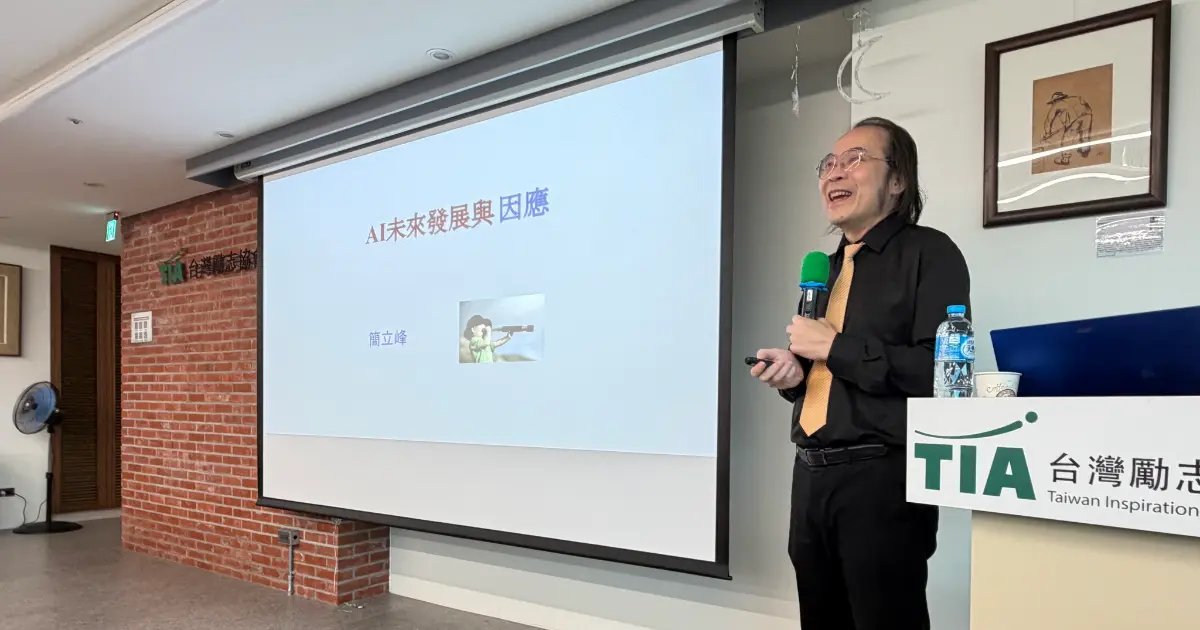
Samsung stopped the bleeding with sky-high bonuses; TSMC has no union, yet no one cries foul. What makes the two systems so different?
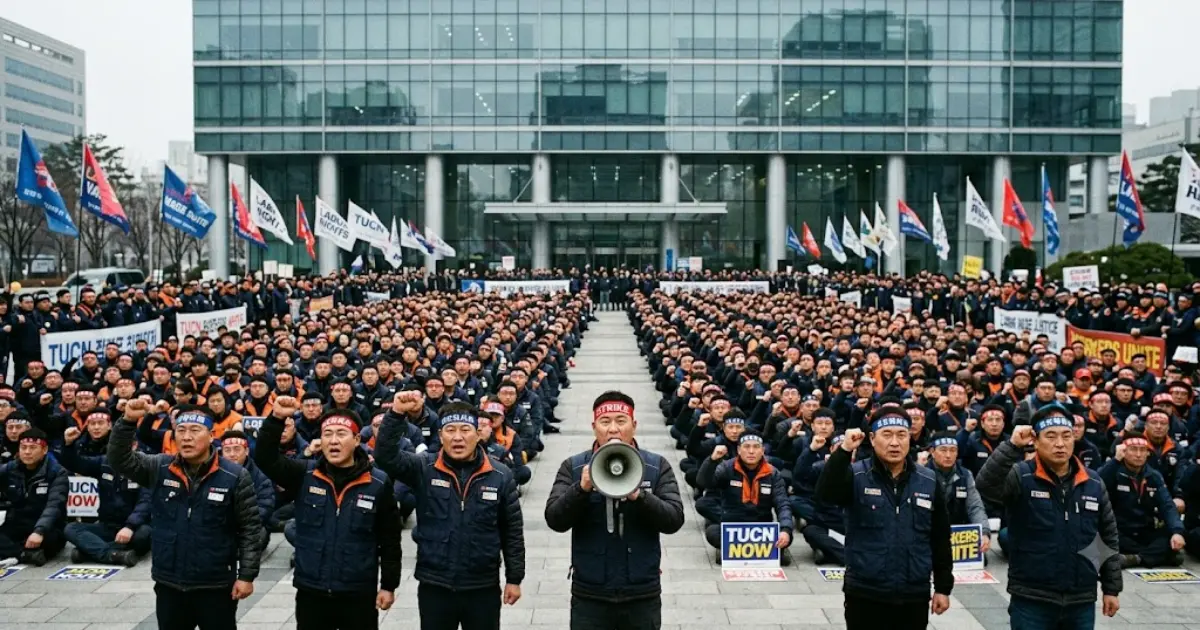
Recently, Samsung Electronics was hit by a strike. Its union had demanded that 15% of operating profit be allocated to performance bonuses. Although the dispute ended in late May—Samsung Electronics' largest union voted to approve a pay agreement that gives chip workers an average bonus of about US$340,000, averting a strike that could have disrupted global chip supply.
But because a reporter from the Korean newspaper Hankyoreh (《韓民族日報》) asked me for my views on the episode, and also wanted to understand TSMC and Taiwan's electronics industry, I did some research and shared my thoughts with the reporter. I would like to share them here in this column as well.
Let us first look at why Samsung Electronics had this strike. The main cause was a dispute over performance bonuses: the union voiced strong dissatisfaction with the "opaque bonus formula" and the "widening gap with competitors."
On the opacity: when calculating bonuses, Samsung first deducts "cost of capital" and "taxes." The union argued the formula was too complex and hard to predict, and demanded it be tied directly to operating profit.
Second, bonuses lagging rivals: employees in Samsung's semiconductor (Device Solutions, DS) division were unhappy that their bonus was only one-third of rival SK Hynix's. SK Hynix has committed 10% of operating profit directly to bonuses, with no cap; Samsung sets a cap of 50% of annual salary.
So the union's grievances came down to three points. First, a performance disconnect: employees felt that even when they worked hard through the memory downturn, their bonus "came up empty," leaving them feeling ignored.
Second, talent-drain pressure: because SK Hynix's bonuses are more attractive, hundreds of Samsung engineers have reportedly jumped ship, deepening the collective anxiety of those who stayed.
Third, a dispute over the compensation plan: although management offered a large "one-time bonus" (such as the US$340,000), the union insisted it should be "institutionalized and made long-term," rather than a one-off payment to smooth things over.
So how do TSMC employees' performance bonuses differ from Samsung's in the key respects?
Premium Members Only
This is a premium article. Please join our membership to read the full content.
Become a member to unlock all in-depth reports and exclusive analysis.
Already a member? Login Now
Related Articles
Micron Announces Its Largest Rewards Ever. Its Taiwan Union's Demands Expose a Clash of Pay Systems. A strike threat at Taiwan's largest foreign investor, read in three dimensions
TSMC's 3nm rinse comes exclusively from AEMC, a Taiwanese company once withdrawn from the Emerging Stock Board
Taiwan AI Industry Upgrade Forum Series || Event Report:America Wants More Manufacturing. What Does It Take for Taiwan’s Suppliers to Follow?