Following TSMC’s Lead, Taiwan’s ‘TSS’ Alliance Mobilizes 18 Suppliers to Capture Global Semiconductor Market
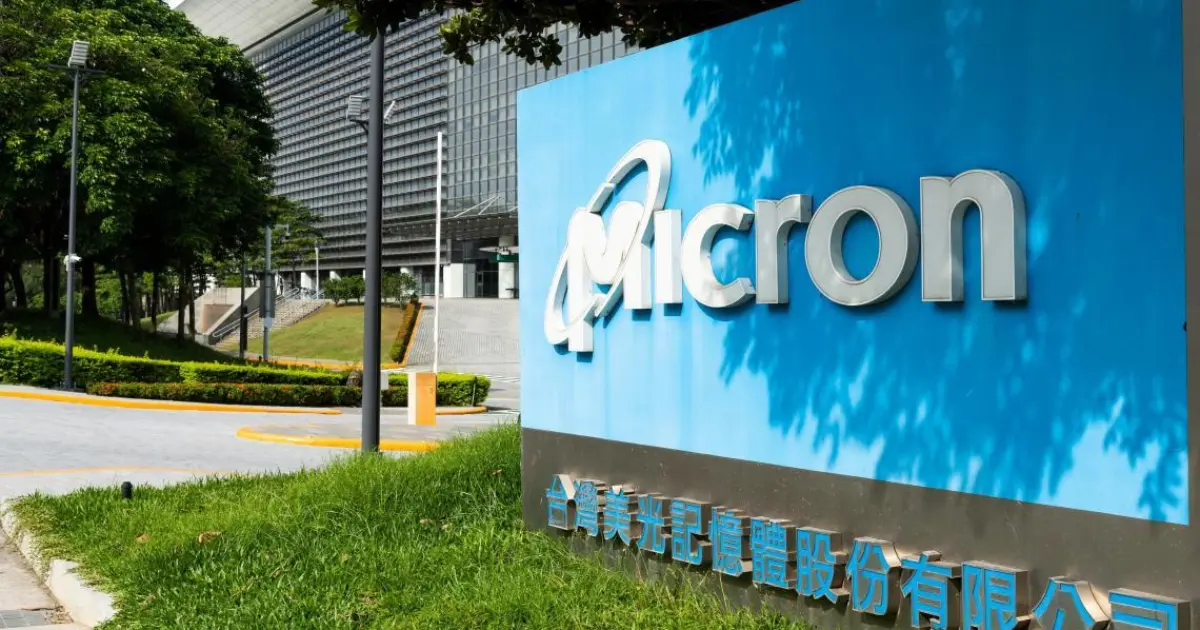
Amid intense shifts in global geopolitics, Taiwan Semiconductor Manufacturing Co. (TSMC), the world’s leading contract chipmaker, has announced expanded investments in the United States, Japan, and Germany. These overseas production and expansion plans are progressing smoothly, positioning the company as a steadfast ally in the semiconductor development of nations worldwide.
As TSMC expands its global footprint, its Taiwanese suppliers are mobilizing in tandem, forming alliances to penetrate overseas markets through resource complementarity. Among them, the TSS Venture Group (TSS)—a coalition of two holding companies comprising 18 suppliers—stands as the largest alliance within TSMC’s supply chain. It has already established joint offices in Arizona, U.S., and Kumamoto, Japan.
Chueh Sheng-che, Chairman of TSS and also Chairman of Yeedex Technology Co., Ltd. , noted a shift during a visit by TSS members to Arizona in August 2025. The group observed that the construction and operational pace of TSMC’s U.S. fabs had visibly accelerated, significantly increasing the demand for suppliers to establish local footholds.
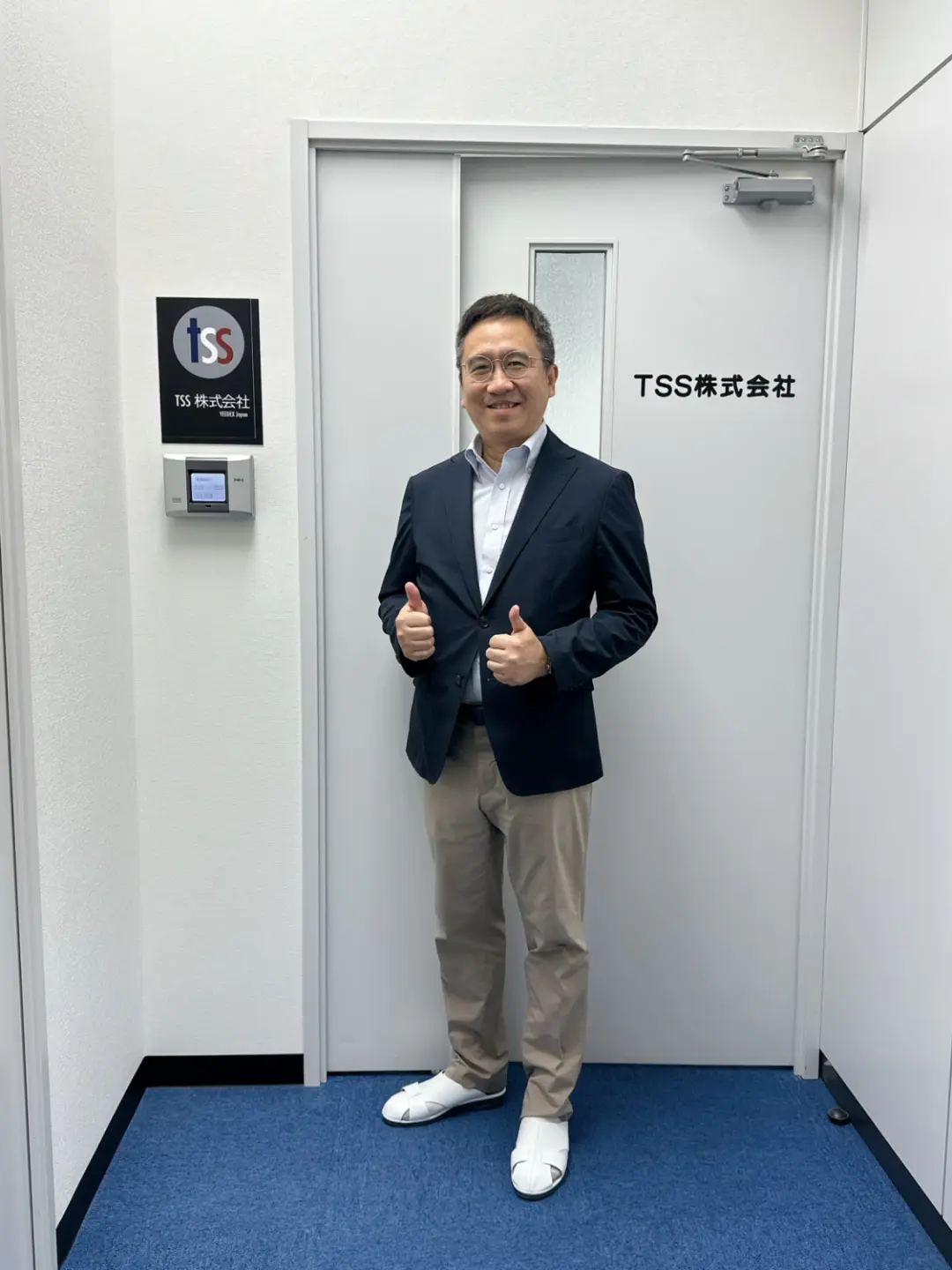
The following is an account based on an exclusive interview with TSS Chairman Chueh Sheng-che. Chueh discusses industry dynamics observed during investments in the U.S. and Japan, the challenges encountered, and the alliance’s perspective on the future of semiconductor development.
The formation of TSS stems from the shared background of its members as recipients of Taiwan’s "Model of Entrepreneurship Award." Given their close personal bonds and the developmental needs of the semiconductor business, the group decided to collaborate.
The "Model of Entrepreneurship Award" is Taiwan’s most historic and authoritative accolade for entrepreneurs. Organized by the National Innovation and Entrepreneurship Association (NiEA) since 1978, and guided by government bodies including Taiwan’s Ministry of Economic Affairs (MOEA), the award has recognized 752 entrepreneurs domestically and abroad over 48 years. Each recipient represents a Small and Medium Enterprise (SME) that was built from the ground up. Today, these laureates operate across five continents and 27 countries, having cumulatively created over NT$3.5 trillion (approx. US$110 billion) in output value.
Mutual Aid and Synergy: Establishing the ‘Semiconductor Localization Alliance’
Bill Chiu, Chairman of Gudeng Precision Industrial Co., Ltd. (Gudeng) and a core figure in TSS, currently serves as the President of NiEA. Recognizing that many members are SMEs, Chiu convened the "Semiconductor Localization Alliance" to foster mutual aid and synergy among members in the semiconductor sector. This networking evolved into the concept of a holding company alliance, designed not only to expand into overseas markets and share costs and risks but also to assist non-semiconductor businesses interested in entering the industry.
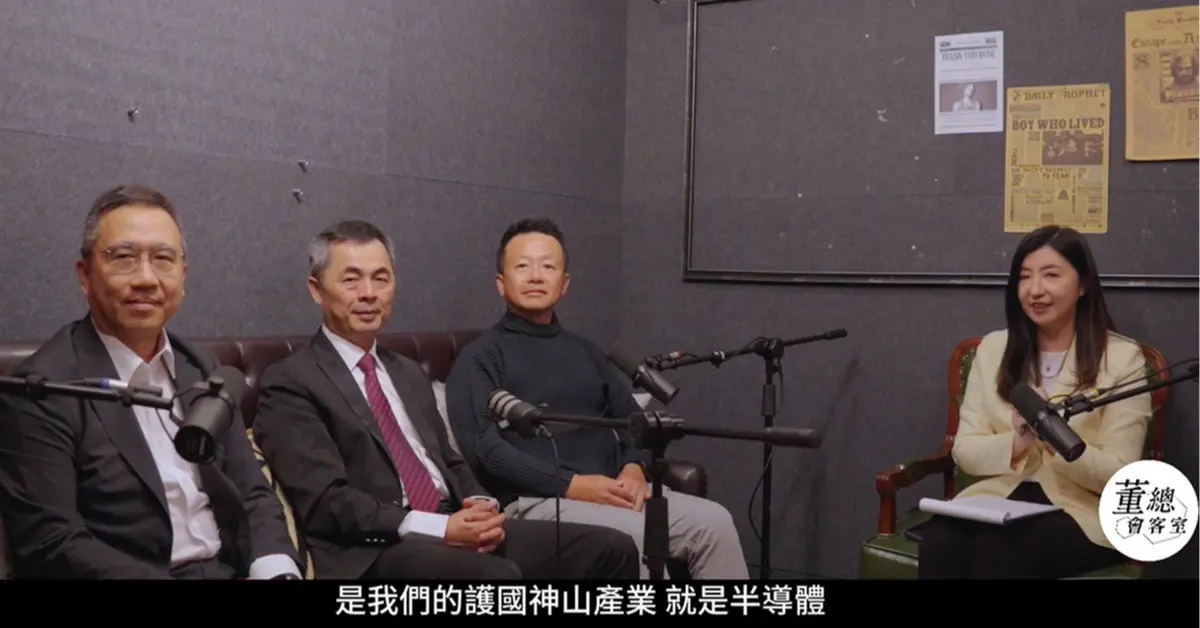
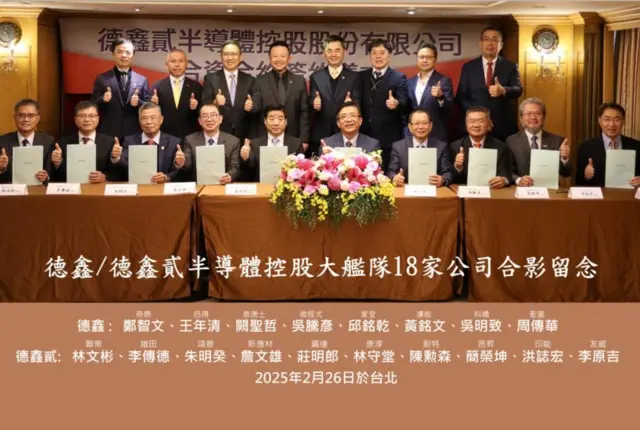
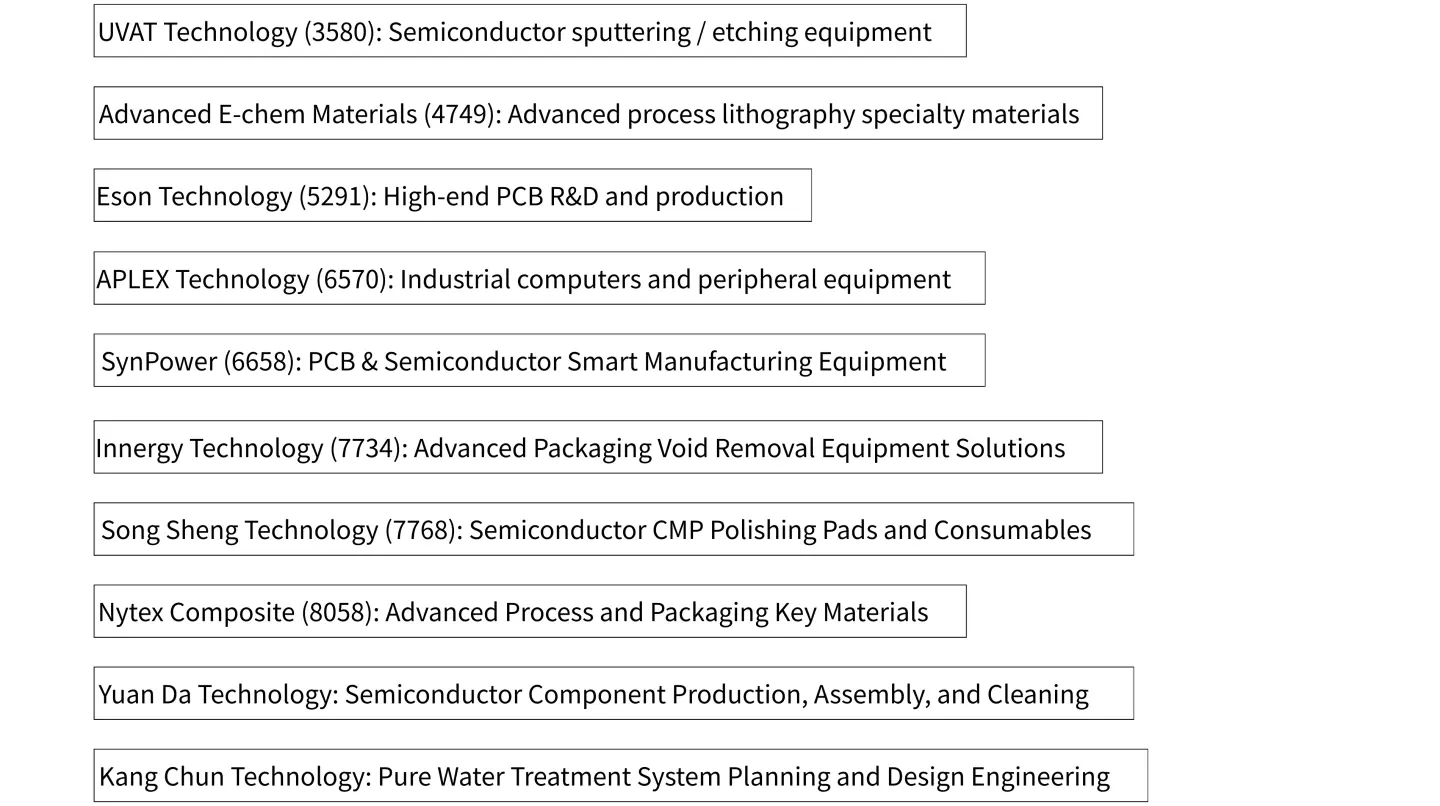
In July 2023, the first holding company, TSS, was formed, comprising eight companies specializing in semiconductor front-end wafer manufacturing equipment and consumables. Following the successful generation of synergies through close cooperation, the model was expanded. In March 2025, a second holding company, "TSS II," was established, adding 10 exemplary companies specializing in advanced packaging, process materials, and industrial smart applications.
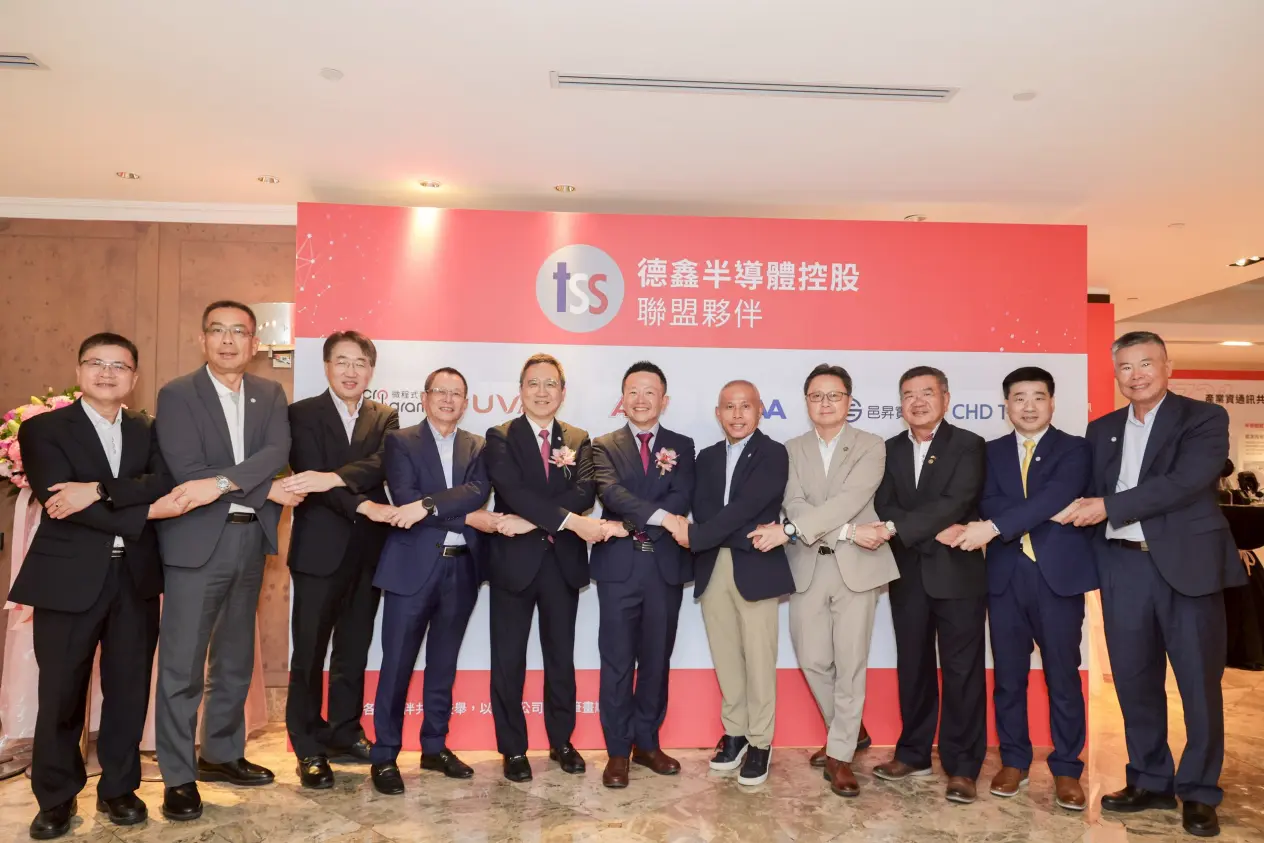
Currently, these 18 companies are all direct or indirect suppliers to TSMC. Most are listed companies in Taiwan, offering diverse products and technologies to form a "Grand Fleet" of the Taiwan semiconductor supply chain. They have now established joint offices in Arizona and Kumamoto to navigate overseas markets together.
Beyond developing their core businesses, the 18 companies of TSS are strategizing on how to collaborate to provide higher added value within TSMC’s massive supply chain and to explore development opportunities in new domains.
For instance, Yeedex is currently collaborating with five companies within the holding group to develop new products. Members jointly research and support each other on parts and consumables used in various equipment, aiming to deliver solutions that are broader, better, and more competitive.
Achieving goals through cooperation among different companies is no small feat; it requires building trust. Within the holding structure, shareholding is maintained equally among companies. Furthermore, the holding company participates in the capital increases of member companies, holding a certain equity stake to form a community of shared interest, ensuring the smooth operation of the alliance.
Japanese Corporate Culture Leans Toward Egalitarianism; TSMC Maintains Rigorous Standards for Suppliers
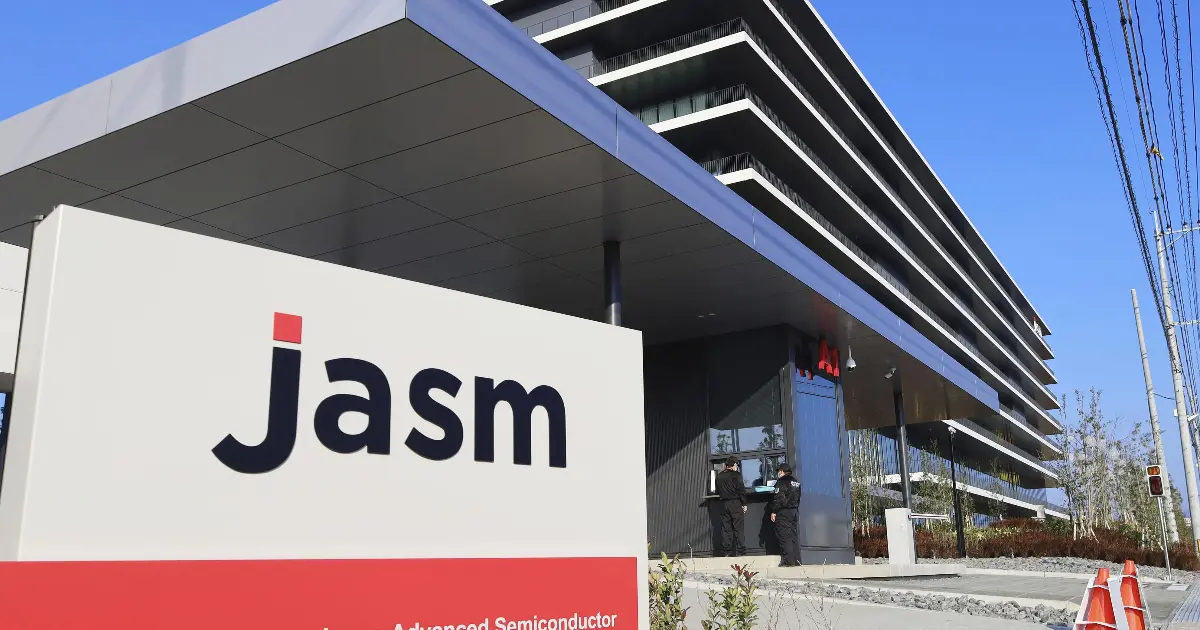
Over the past two years, TSS members have made multiple visits to Arizona and Kumamoto. We observed that TSMC’s U.S. fab construction has accelerated significantly, with Fab 2 expected to begin mass production in the second half of 2026. Regarding the second Kumamoto fab (JASM Fab 2), demand slowed in 2025 due to fluctuations in the automotive industry, placing construction in an adjustment phase. However, as tariff factors become increasingly clear, the direction seems to have stabilized, and construction on the second plant is set to commence.
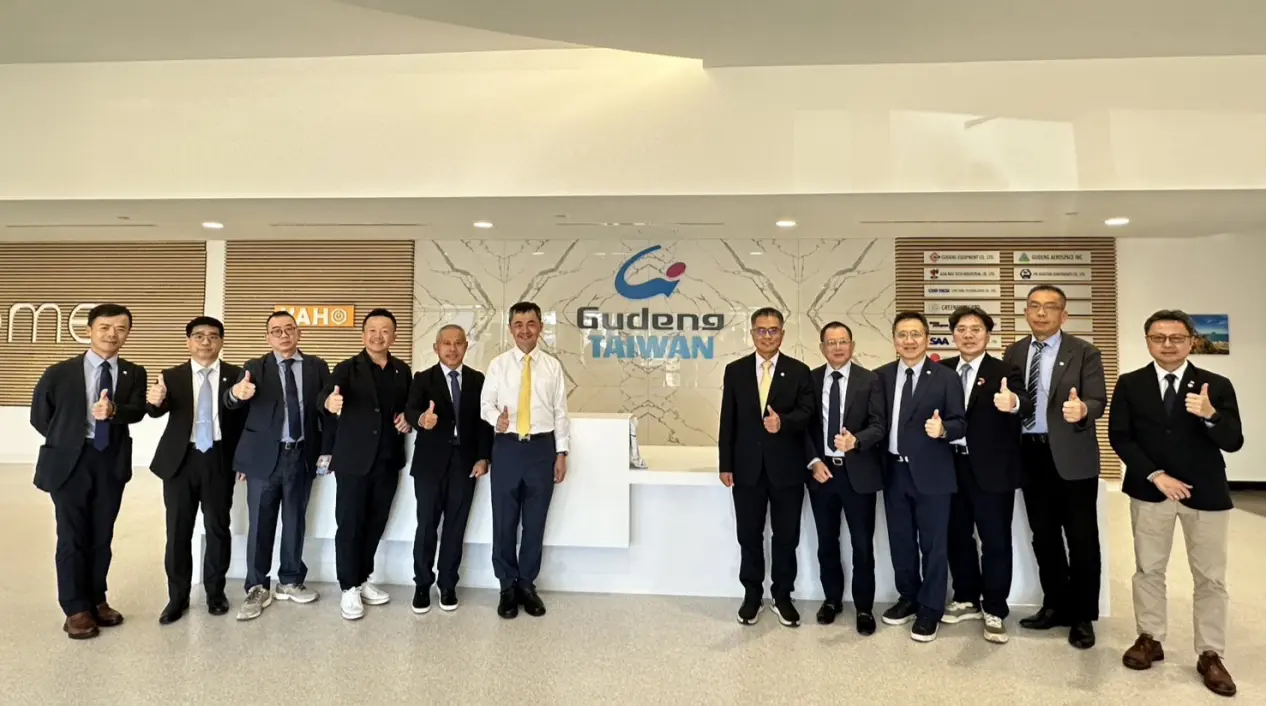
Visits to enterprises in the U.S. and Japan revealed that most Japanese wafer fabs operate on older production lines. Because Japan has not invested significantly in semiconductor wafer manufacturing for some time, the demand for new components or process-enhancing solutions is not particularly pronounced.
Japan’s semiconductor industry has largely foregone investment in new wafer fabs for years. Furthermore, many factories operate as Business Units (BUs) within massive conglomerates. Within these groups, there appears to be little concern regarding the profitability of the semiconductor division, reflecting a sense of "egalitarianism" (a lack of competitive incentive). Consequently, the approach to evaluating new supply chain partners is passive.
For many professional managers within these large groups, the status quo is preferred; if the company does not mandate change, none is made. For example, once components are designed into Japanese automobiles, they are used for at least five years. Without a directive to switch, there is no incentive to do so.
However, Taiwanese enterprises operate very differently. TSMC imposes rigorous demands on its suppliers, requiring different proposals annually—such as cost-reduction plans or continuously improved solutions. Without these, doing business with TSMC is impossible.
To penetrate the Japanese market, considering cultural and geographic factors, the 18 companies of TSS generally utilize Japanese trading companies to handle sales for specific wafer fabs. This allows Japanese representatives to deal directly with Japanese clients, while TSS manages products and technology. This approach is deemed more effective than knocking on doors individually.
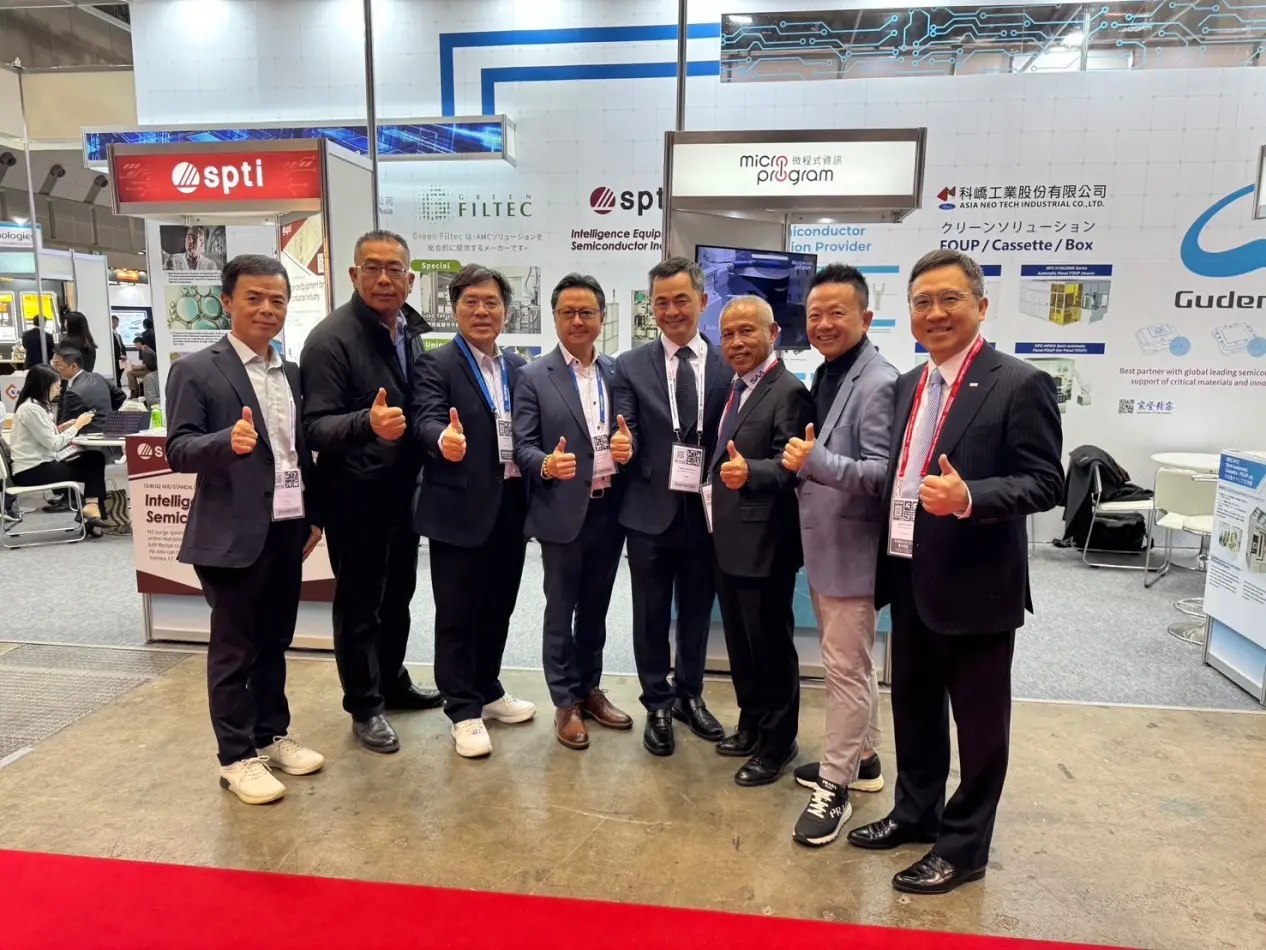
The U.S. market differs from Japan; Americans are very direct. Due to significant differences in process technology among wafer fabs, companies like Texas Instruments (TI) and GlobalFoundries, which focus on mature processes and do not utilize advanced processes heavily, may bluntly state that they do not currently need the advanced solutions offered by Taiwanese suppliers.
In contrast, Intel possesses relatively advanced process technology. Communication with Intel has been smoother, as the company—led by current CEO Lip-Bu Tan—understands the importance of new supply chain vendors. However, the pace of progress is not rapid, indicating that Intel’s advancement in process technology is still ongoing and requires more time to realize.
TSMC’s supply chain management is highly sophisticated, and becoming a qualified supplier is extremely difficult. For example, TSMC presents awards to excellent suppliers annually. Winning is arduous; a company might strive for a decade and still not receive one.
Lack of Industrial Zones in U.S. and Japan; Taiwan Government Leads with Science Parks
Additionally, when TSMC holds its annual supplier awards ceremony, it invites not only the winning companies but also non-award-winning vendors to observe. These non-winners are often direct competitors of the winners.
Consequently, attending the ceremony evokes complex feelings. Everyone is on edge; those who didn't win feel the sting of watching rivals accept awards. Meanwhile, winners, amidst their joy, remain vigilant—there is no guarantee of winning next time, and they might find themselves watching a competitor take the stage in the future. Nevertheless, we all take pride in being qualified suppliers to TSMC.
Under TSMC’s continuous challenge toward advanced processes, Taiwan’s semiconductor industry has indeed achieved world-leading status. For instance, when advanced processes move beyond 10 nanometers (nm), cleanroom contamination standards become intolerant even of odors, not just particulate matter.
Using smoking as an analogy: smoke is not a dust particle, but it has a smell. In advanced process cleanrooms, gas pollution similar to smoke odors is highly sensitive. This is known as "Airborne Molecular Contamination" (AMC). Advanced processes require numerous specialized devices to remove AMC. While this requirement is unnecessary for mature process factories, it is mandatory for advanced processes.
Therefore, when we introduce AMC prevention equipment to factories in the U.S. and Japan, many wafer fabs currently do not need it. However, process development will inevitably progress. Once they cross into 10nm processes and beyond, this AMC removal equipment will be essential, signaling huge future business opportunities.
Beyond serving TSMC, a major goal of TSS members investing overseas is to penetrate companies other than TSMC. This is a market that Taiwan’s semiconductor supply chain has historically had less contact with. Our members are eager to try, and this represents a prime opportunity for Taiwan to stand on the international stage.
Currently, the TSS U.S. office is co-located with Gudeng’s U.S. subsidiary, staffing over 20 people—half dispatched from Taiwan and half hired locally. The Japan office utilizes the Japanese subsidiary established this year by Yeedex. As SMEs, combining resources reduces expenses and fosters mutual support.
Regarding the experience of investing in the U.S. and Japan: when we scouted land in Arizona, we looked out over vast stretches of desert, realizing the arduous task of starting from zero.
Taiwan’s Science Parks are pre-planned by the government, providing infrastructure and single-window services, making investment relatively easy. In the U.S. and Japan, investors start from scratch. Often, relevant regulations are lacking, and even municipal civil servants are unsure how to proceed.
TSMC Chairman C.C. Wei has also noted that they encountered many regulatory issues overseas, necessitating expenditure on hiring personnel to research and assist in formulating relevant regulations. From this perspective, Taiwan’s manufacturing sector is fortunate to have strong government backing.
The national contexts of the U.S. and Japan differ from Taiwan. Their approach to developing manufacturing does not mirror the Taiwanese concept of government-established Science Parks—where industrial zones are built to suit corporate needs before investment is solicited, allowing companies to focus solely on business.
The Japanese government typically does not designate specialized industrial zones; large conglomerates handle these matters independently. TSMC, being a large corporation, has the strength and resources to manage overseas expansion alone. However, the 18 companies of TSS are Small and Medium Enterprises without such vast resources, necessitating a united front to find opportunities.
Table 1: TSS Venture Group (TSS), comprising 8 companies
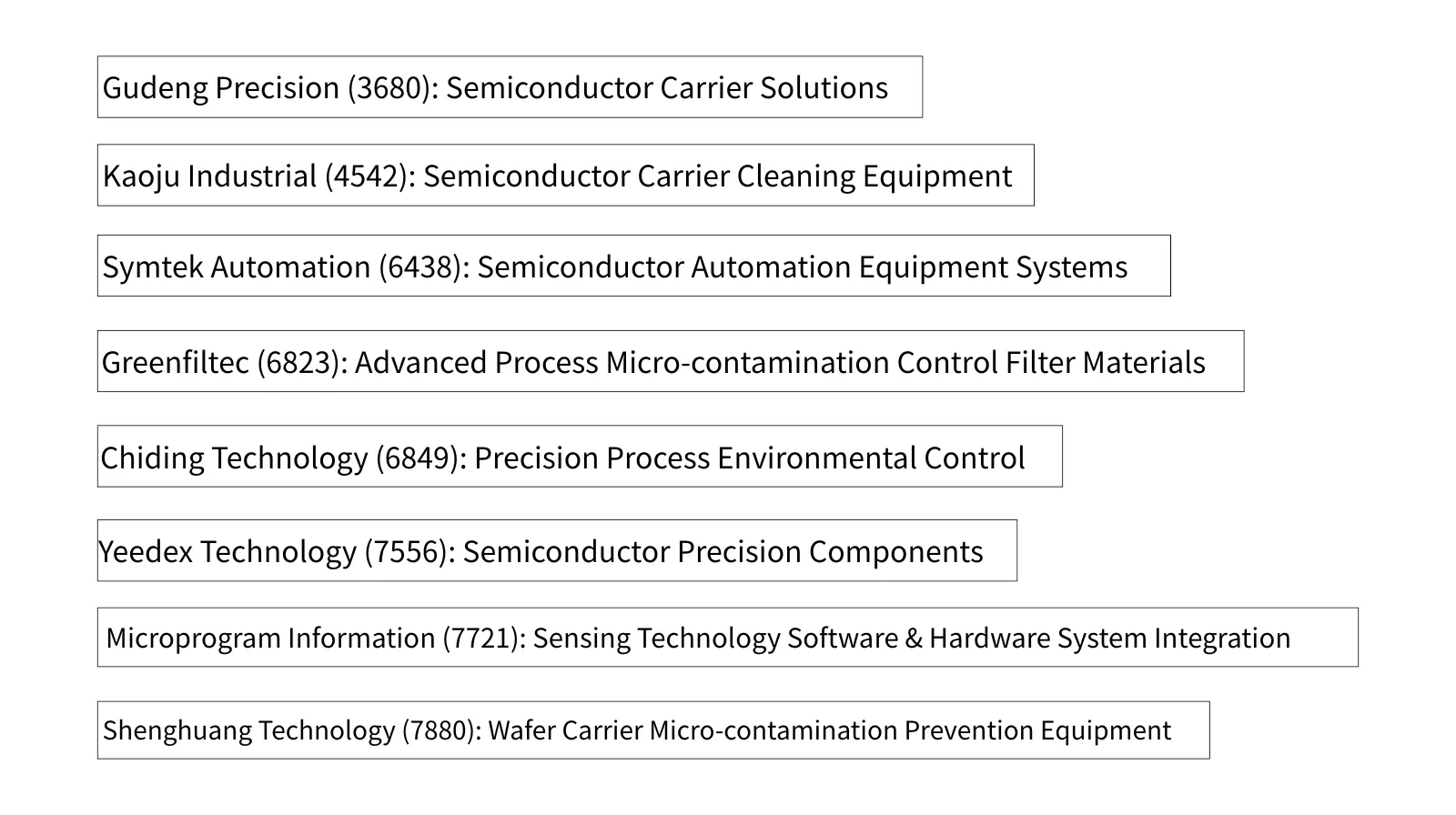
Table 2: TSS II Venture Group (TSS II), comprising 10 companies
Related Articles
Yesiang, a filter distributor once down to four people, became a chemical filter supplier to advanced-node fabs
The Taiwan Government Fund That Backed TSMC Earmarks NT$10 Billion for Biotech: The Upside for Foreign Drugmakers and Investors
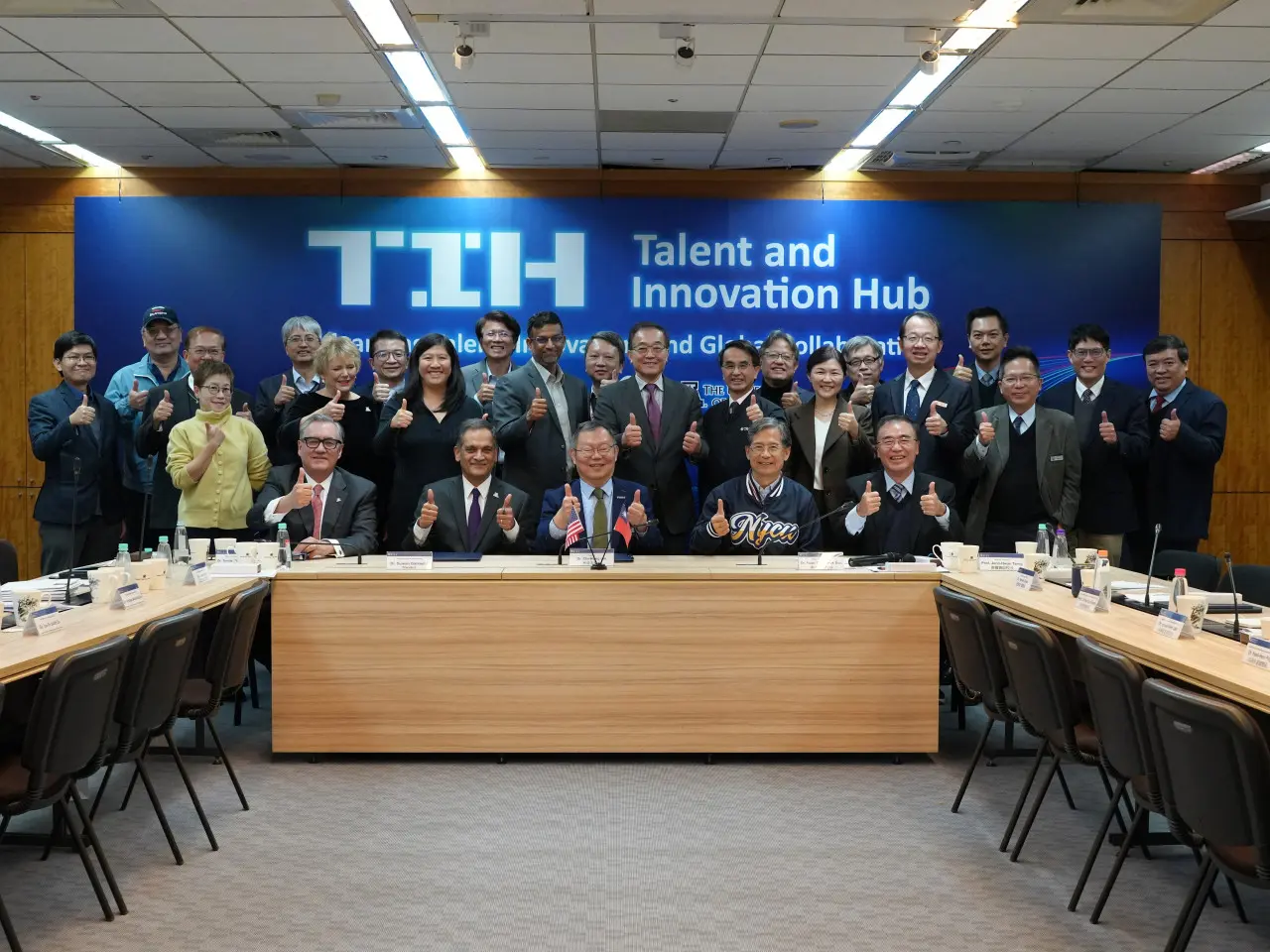
Wherever TSMC Builds a Fab, a Taiwanese University Brings Training: NYCU Plans Arizona Courses in 2027 and a U.S. Branch-Campus Application From 2030