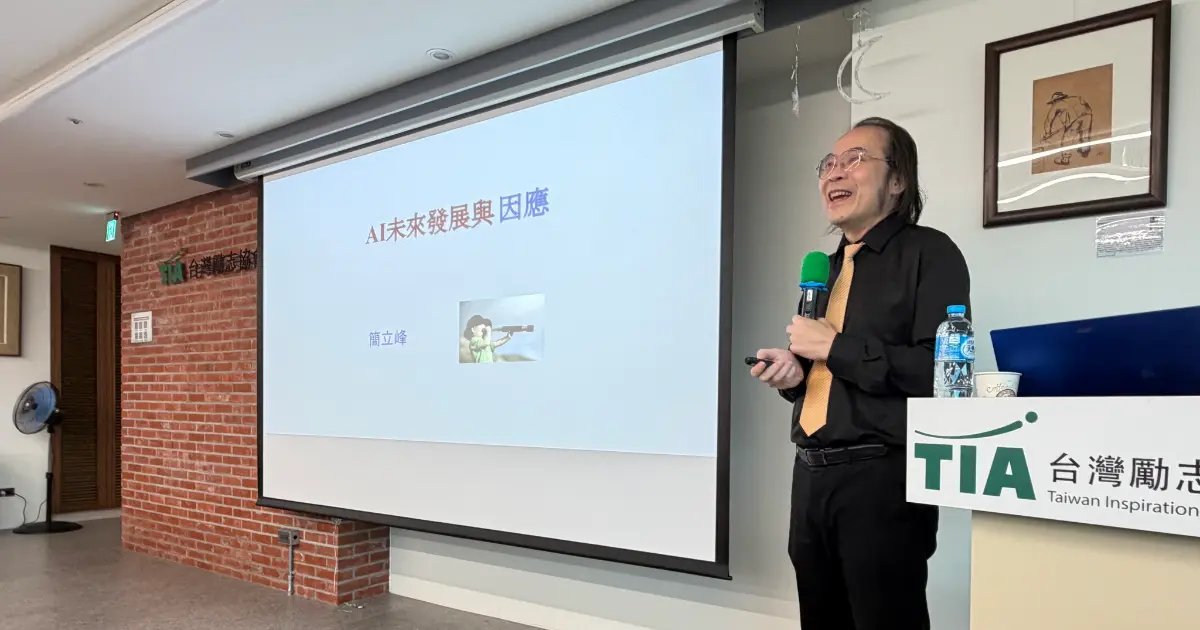
A Success Case in MedTech Convergence: How Dr. Liao Wen-hui Becomes the "Translator" Between Medicine and Engineering

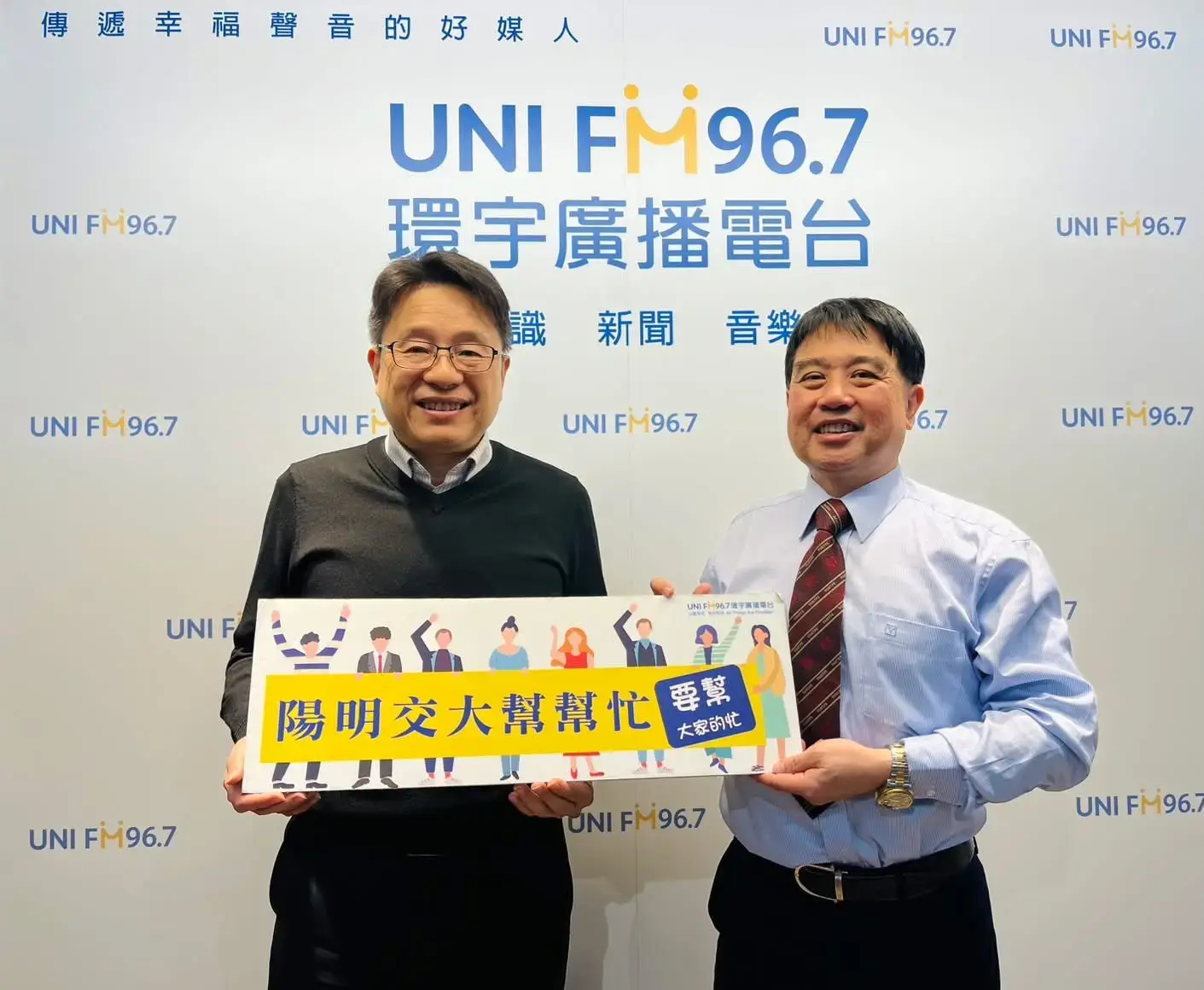
I recently interviewed Dr. Liao Wen-hui(廖文輝), Director of the Otology Division at Taipei Veterans General Hospital (Taipei VGH)—one of Taiwan’s most prestigious national academic medical centers. Our conversation centered on his transformative journey from a clinical practitioner (MD) to a Ph.D. in Biomedical Engineering at the now-merged National Yang Ming Chiao Tung University (NYCU). By mastering both worlds, Dr. Liao has become a vital "Translator" between physicians and engineers. His experience serves as a powerful testament to the potential of Bio-ICT convergence (the synergy of Biotechnology and Information and Communication Technology), a field where Taiwan holds a distinct global advantage.
A graduate of Yang Ming University’s School of Medicine, Dr. Liao is a leading authority in otology. He has extensive experience treating Sudden Sensorineural Hearing Loss (SSHL), colloquially known as an "ear stroke." Through years of clinical practice, he developed a profound empathy for the "invisible barrier" of hearing loss, hearing the silent struggle of patients who cannot hear. Driven by a vision to revolutionize audiology, he pursued a doctorate in engineering to realize his goal of developing portable digital audiometers and advanced diagnostic tools.
Dr. Liao notes that this cross-disciplinary training has benefited his practice in three key dimensions. First is the shift from "Empirical Algorithms" to "Quantitative Logic." While traditional medicine often relies on rote memorization and experience—prescribing Medicine B for Symptom A—engineering taught him "First Principles Thinking." This mindset allows him to deconstruct medical challenges to their core truths and innovate fundamental solutions.
Breaking Medical Dogma: 3D Logic and Bridging the Communication Gap
For instance, when treating vertigo caused by Benign Paroxysmal Positional Vertigo (BPPV), Dr. Liao no longer simply memorizes repositioning maneuvers. Instead, he constructs a 3D fluid dynamics model of the semicircular canals in his mind. Leveraging his engineering expertise, he has evolved traditional manual treatments into technology-driven interventions. One such innovation involves using far-infrared therapy to improve microcirculation in the inner ear, directly alleviating vertigo. This analytical approach enables him to refine treatments for complex cases and structural variations, significantly improving clinical outcomes.
Furthermore, his background allows him to master "Hearing Technology" at a granular level. Dr. Liao believes that otology is the medical specialty most closely linked to physical acoustics and electronic signals. When a patient complains that a hearing aid is "too noisy," a typical physician might simply lower the volume. However, Dr. Liao’s engineering perspective identifies this as a "signal processing" issue—perhaps an improper compression ratio or a frequency-shifting algorithm that mismatches the patient’s neural processing. By speaking the technical language of engineers and audiologists, he can fine-tune devices to produce clear, natural sound for his patients.
Consequently, Dr. Liao acts as a crucial bridge for R&D. In many hospitals, clinicians find engineering designs "impractical," while engineers feel physicians "cannot articulate their needs." Possessing expertise in both fields, Dr. Liao serves as the "Translator" who aligns these perspectives. As he eloquently puts it: "Medicine allowed me to see the patient's suffering; engineering gave me the tools to solve it."
Empowering Audiology with AI: From Mobile Testing to Precision Telemedicine
The rise of AI has reshaped industries, but for a physician-engineer like Dr. Liao, AI is more than a tool—it is the key to breaking traditional medical constraints. Based on his award-winning research, he categorizes AI applications in auditory rehabilitation into three pillars: Mobile Diagnostics, Precision Prognostics, and Implementation of Telemedicine.
The first pillar involves breaking spatial barriers. Dr. Liao’s team utilized Active Noise Cancellation (ANC) technology to create a "Mobile Audiometric Booth." Historically, hearing tests required expensive, static soundproof rooms—a major pain point that hindered access for rural residents, the elderly, and bedridden patients. Dr. Liao’s AI solution uses deep learning models to identify and neutralize ambient noise, creating a "virtual quiet room." This breakthrough allows high-quality hearing tests to be conducted in communities, long-term care facilities, and even patients' homes. This innovation has earned his team multiple National Innovation Awards, the highest honor in Taiwan’s biomedical sector.
The second pillar focuses on enhancing clinical decision-making through a "Predictive Model for SSHL." By using machine learning to analyze vast amounts of clinical data, Dr. Liao identified subtle correlations that human eyes might miss. This Prognostic Prediction Model assists physicians in assessing severity at the earliest stages, allowing for highly personalized treatment strategies.
Finally, Dr. Liao is developing a "Multimodal Hearing Loss Recognition System" for telemedicine. Future diagnostics will go beyond simple audiograms; AI will integrate otoscopic imagery, hearing loss characteristics, and physiological data. This is critical for remote care, where AI acts as the physician’s "eyes and ears," enabling accurate remote diagnosis.
In the past, the integration of medicine and electronics was often hindered by a vast communication gap. Dr. Liao has proven that through dedicated cross-disciplinary effort, one can become an expert capable of bridging this divide. His case illustrates the profound potential of Taiwan’s Bio-ICT sector and offers a valuable model for the global MedTech industry.
Related Articles
Micron Announces Its Largest Rewards Ever. Its Taiwan Union's Demands Expose a Clash of Pay Systems. A strike threat at Taiwan's largest foreign investor, read in three dimensions

TSMC's 3nm rinse comes exclusively from AEMC, a Taiwanese company once withdrawn from the Emerging Stock Board
Taiwan AI Industry Upgrade Forum Series || Event Report:America Wants More Manufacturing. What Does It Take for Taiwan’s Suppliers to Follow?