Two Titans of Taiwan’s Hardware Rise: How Chris Lin and Simon Lin Are Shaping the Next Tech Frontier(Part 1)
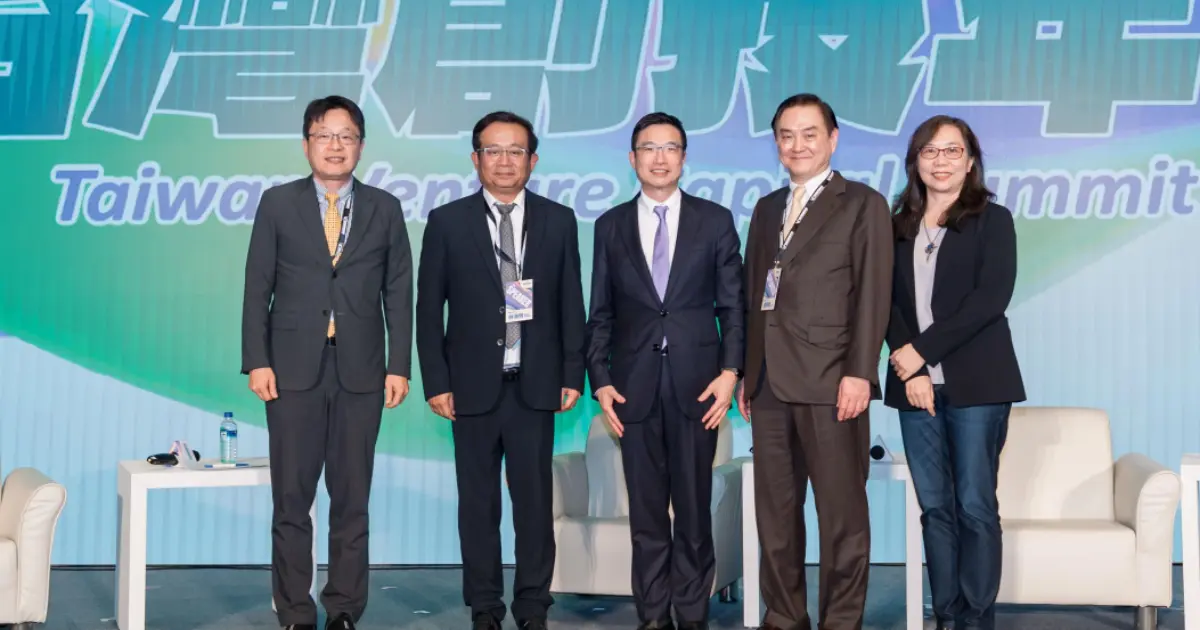
At the 2025 Taiwan Venture Capital Annual Conference, leading figures from Taiwan’s venture capital, startup, and tech sectors gathered to share the latest industry insights and real-world experiences. Among the many sessions, a fireside chat between Chris Lin(林鴻明), Chairman of Aspeed Technology—the global leader in BMC (Baseboard Management Controller) chips—and Simon Lin(林憲銘), Chairman of Wistron, a top-tier ODM in AI server manufacturing, drew significant attention. Both men are iconic figures in Taiwan’s semiconductor and electronics manufacturing sectors. Their insights into strategic decision-making and entrepreneurial journeys offered valuable lessons to investors and founders across Asia, and their stories are essential reading for international audiences seeking to understand the strengths of Taiwan’s hardware manufacturing ecosystem.
Founded nearly two decades ago, Aspeed Technology now holds the highest share price on the Taiwan Stock Exchange, earning it the title of the market’s “king stock.” As of August 15, 2025, its stock price had climbed to NT$5,230 (approximately USD 163), far surpassing the former titleholder Largan Precision at NT$2,370 (around USD 74), and also outpacing Alchip Technologies—another IC design company and former “queen stock”—at NT$4,305 (around USD 135). Meanwhile, Wiwynn, the cloud server ODM subsidiary of the Wistron Group, saw its share price reach NT$3,345 (roughly USD 105). These valuations reflect the growing importance of Taiwanese hardware manufacturers in the global AI server and compute chip sectors.
Chris Lin, the usually low-profile chairman of Aspeed Technology, made a rare public appearance at the conference to share his entrepreneurial journey. He recounted that Aspeed was founded in November 2004 with just NT$36 million in capital (approximately USD 1.13 million), and has since grown nearly 1,900 times in value. Based on the company’s share price of NT$4,820 on the day of his speech, its market cap stands at around NT$79.7 billion (roughly USD 2.5 billion). An early shareholder who invested NT$1 million back then (about USD 31,000) would now hold equity worth NT$1.9 billion (approximately USD 60 million). Lin also noted that two original investors remain on the board of directors and have held their shares ever since the company’s inception.
Even investors who bought Aspeed Technology shares after its listing on Taiwan’s emerging board in 2013 would have seen substantial gains. Based on the IPO price of NT$110 (roughly USD 3.4 or JPY 500 at the time), those who held their shares to the present day would enjoy a 57-fold return, with the stock now trading at around NT$5,230 (approximately USD 163 or JPY 23,500). According to Chairman Chris Lin, Aspeed has maintained strong growth even after going public, and long-term investors who entered the secondary market—not just those in early-stage rounds—have also reaped significant returns.
Embracing the Cloud Megatrend — Chris Lin Founded Aspeed in Mid-Career
Back in 2013, during an interview I conducted with Chris Lin at the time of Aspeed Technology’s listing, he shared that launching a business was never part of his original career plan. He had worked for many years at SiS (Silicon Integrated Systems) and XGI Technology, fully expecting to remain in those companies until retirement.
SiS was one of Taiwan’s pioneering IC design firms specializing in PC chipsets and graphics chips. In the 1990s, it held a significant share of the global motherboard market. XGI Technology, on the other hand, was a spin-off from SiS, formed from its original graphics chip design division. Both companies played critical roles in the PC-era supply chain as important IC design providers.
In 2004, United Microelectronics Corporation (UMC), Taiwan’s second-largest semiconductor foundry, acquired SiS. The acquisition brought sweeping strategic and organizational changes, prompting Lin to leave the company and embark on a new entrepreneurial journey.
After leaving SiS, Chris Lin entered a period of career uncertainty and spent his days playing golf to pass the time. One day, he reconnected on the course with Chi-Ling Yang, who now heads the server division at Quanta Computer. Their casual conversation during the game unexpectedly reignited Lin’s passion for the tech industry and planted the seed that would eventually lead to his entrepreneurial journey.
Founded in 1988 and headquartered in Taipei, Quanta Computer is one of the world’s largest original design manufacturers (ODMs) of laptops and servers. The company has consistently appeared on the Fortune Global 500 list. In the fields of AI servers, cloud infrastructure, and datacenter hardware, Quanta serves as a key partner to leading U.S. hyperscale cloud service providers (CSPs) such as Google and Microsoft.
At the time, Quanta was preparing to expand into the server ODM business. During their conversation on the golf course, Chi-Ling Yang told Chris Lin that his boss, Quanta Chairman Barry Lam, believed that cloud computing was the next big wave. Lam expected the rise of cloud infrastructure to significantly boost server shipments and encouraged Yang to take an active role in driving this new direction.
Today’s highly successful server business was, more than 20 years ago, a risky and uncertain venture. At the time, Yang Chi-Ling was leading Quanta’s most profitable division, responsible for manufacturing laptops for Dell. However, he was reassigned by Chairman Barry Lam to the company’s loss-making server division. Yang later confided to Chris Lin that he wasn’t entirely confident about the move either.
However, this proposal sparked Chris Lin’s entrepreneurial inspiration. He reached out to his former colleagues from SiS and XGI Technology, and officially founded ASPEED, dedicating himself to the design of server-related chips.

Chris Lin recalled that he had the courage to start a business because he resonated with Barry Lam’s vision of the cloud revolution—that computing power would one day become as accessible as electricity, available on a plug-and-play basis. Just eight months after founding ASPEED, the company successfully developed the server-specific BMC (Baseboard Management Controller) chip that Quanta needed.
Aspeed’s rise to the top mirrors the stories of many successful startups—it began by targeting a small, overlooked niche that big tech companies had ignored. More than two decades ago, the white-box server market was just such a niche.
In the early 2000s, leading Taiwanese notebook manufacturers like Quanta and Wistron—operating primarily as OEMs (Original Equipment Manufacturers) and ODMs (Original Design Manufacturers)—relied heavily on orders from global PC giants such as Dell and HP. These companies had built their businesses around the stable and predictable model of notebook production for established brands.
However, a new challenge emerged when rising cloud service providers (CSPs) like Amazon, Microsoft, Google, and Facebook began approaching Taiwanese manufacturers directly to procure server products. This shift placed ODM companies in a difficult position: Should they maintain long-standing relationships with major clients like Dell and HP, or take the risk of bypassing them to engage directly with CSPs—potentially tapping into a much larger growth opportunity in the near future?
To Lead the Pack, a Company Must Strive for Market Dominance
Driven by Barry Lam’s strong belief in cloud computing as a future trend, Quanta decided to restructure its organization by assigning different teams to focus on this new business area. Yang Chi-ling was appointed to spearhead the effort.
Around the same time, Wistron—another major Taiwanese ODM (original design manufacturer) with a strong global presence—chose to spin off its server business into a separate subsidiary named WiWynn. The move, led by then-General Manager and COO Hung Li-ning, was aimed at clearly distinguishing the server unit from its existing notebook PC operations and concentrating resources on the emerging server market.
More than two decades ago, when the white-box server market was still in its infancy, ASPEED Technology Inc. was the first IC design company to enter the field. With virtually no competitors at the time, ASPEED quickly seized the first-mover advantage and established its lead. By the time other players realized the market’s potential, it was already too late to catch up.
Notably, in 2005, American semiconductor giant Broadcom Inc., known for its aggressive acquisition strategy, made an offer to acquire ASPEED for NT$600 million (around USD 18 million). However, founder Chris Lin declined the proposal.
In a dramatic turn of events 11 years later, in 2016, ASPEED instead acquired Broadcom’s subsidiary Emulex’s remote server management chip business for nearly NT$1 billion (approximately USD 30 million). Reflecting on the decision, Lin expressed his relief at not having sold the company back then—proving his long-term strategy was the right one.
In the speech, Chris Lin emphasized that ASPEED’s success lies in its ability to identify emerging industry trends, build core technical capabilities, and develop a strong competitive edge. The company has secured a dominant market share in the emerging “ODM Direct” model, where cloud service providers (CSPs) place orders directly with ODMs—demonstrating the strategic foresight behind its approach.
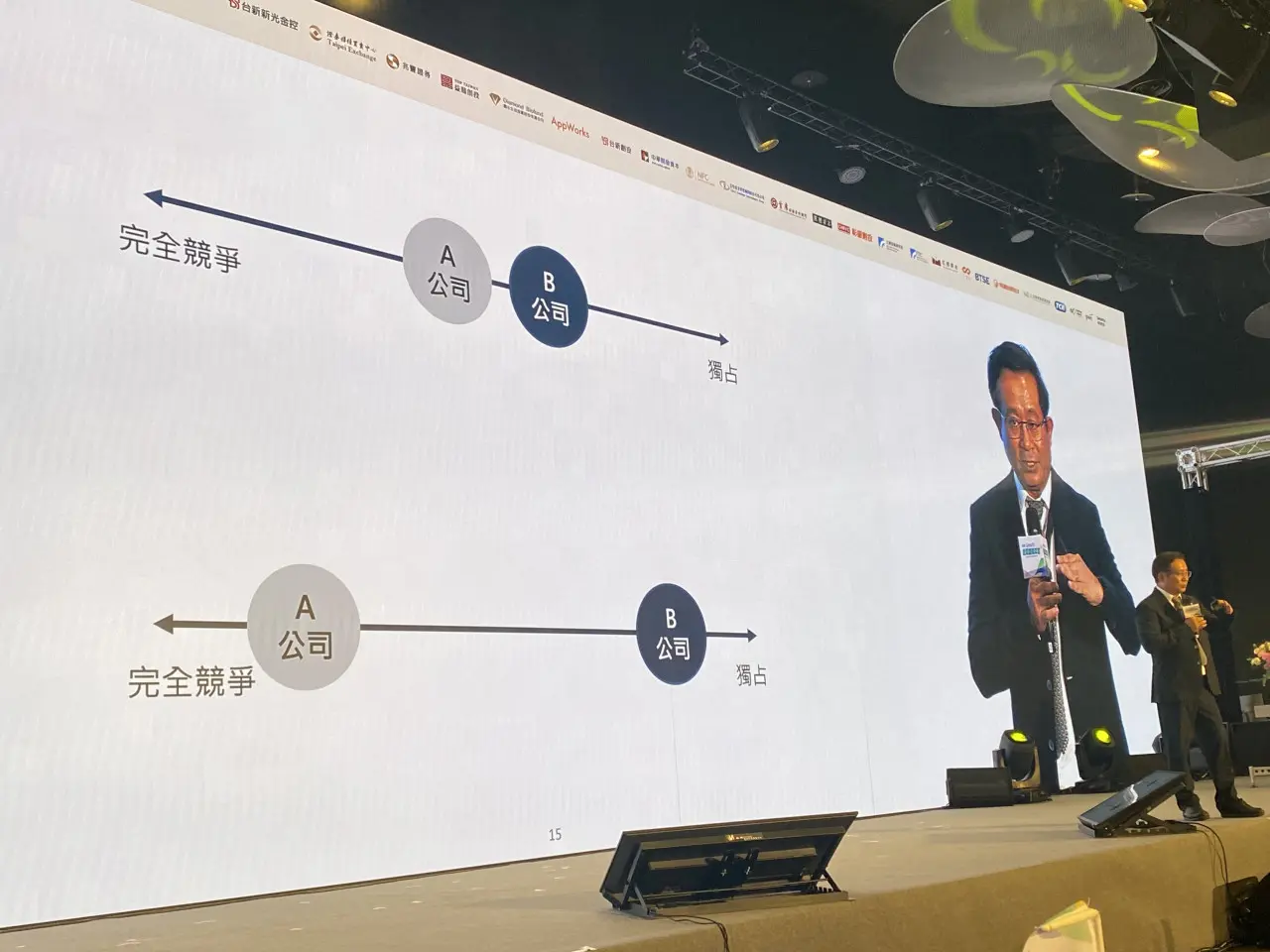
According to Lin, the spectrum of industrial competition ranges from perfect competition on one end to monopoly on the other. To gain a competitive edge, companies should aim to move closer to the monopoly side. While true monopoly is nearly impossible to achieve, striving for an oligopolistic position—where a few players dominate the market—is a realistic and strategic goal. Only then can a company stand out in a fiercely competitive industry.
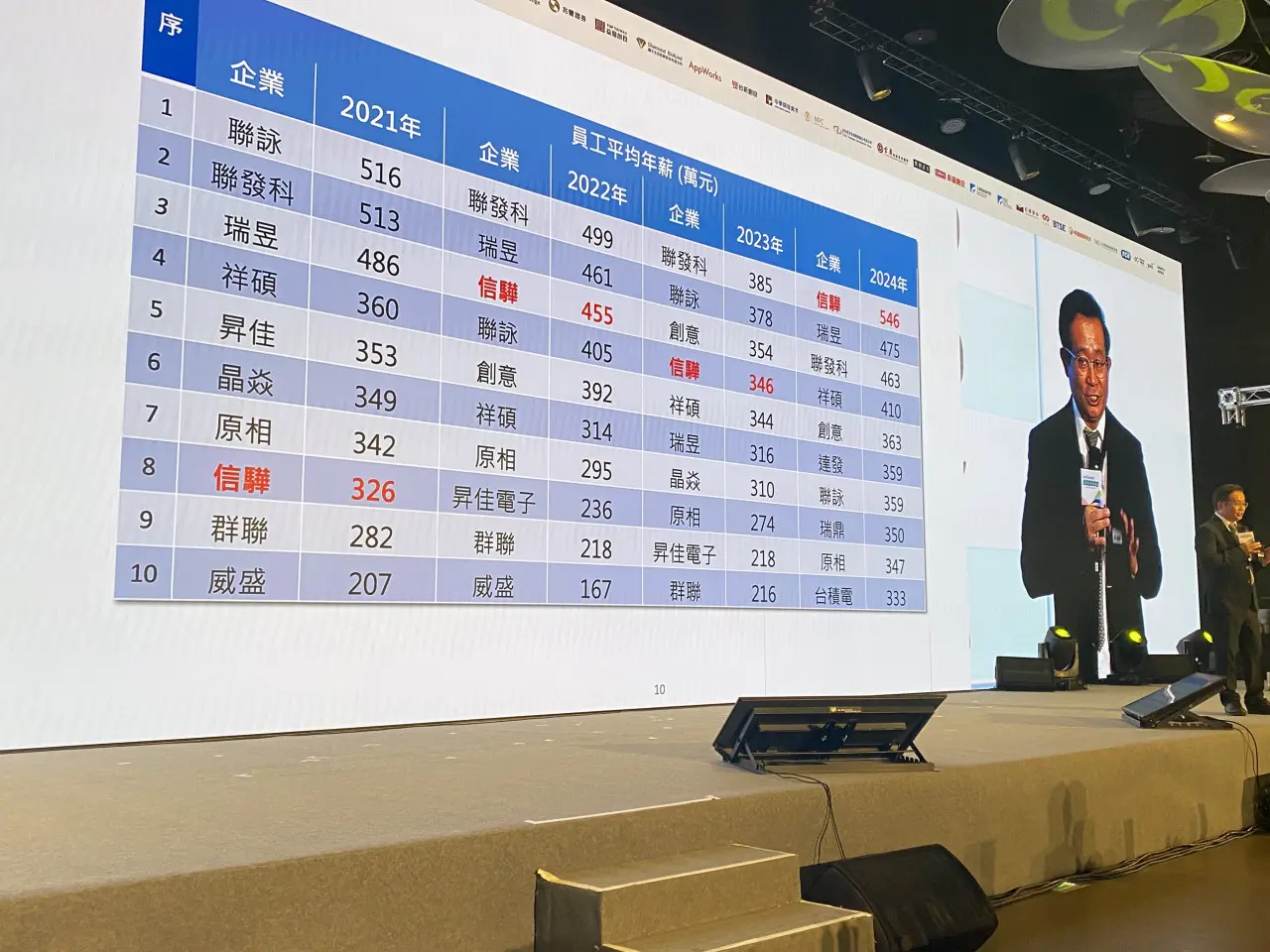
During his speech, Lin also highlighted that Aspeed pays its employees the highest average salary among Taiwan’s IC design firms. In 2024, the company’s average annual salary per employee reached NT$5.46 million (approximately USD 170,000), topping all domestic companies. Lin explained that each employee generates between NT$50 million and NT$60 million (around USD 1.5 to 1.9 million) in revenue annually, making it logical for the company to offer generous compensation. “The more we pay our employees, the more the company earns,” he emphasized.
Related Articles
Micron Announces Its Largest Rewards Ever. Its Taiwan Union's Demands Expose a Clash of Pay Systems. A strike threat at Taiwan's largest foreign investor, read in three dimensions
TSMC's 3nm rinse comes exclusively from AEMC, a Taiwanese company once withdrawn from the Emerging Stock Board
Taiwan AI Industry Upgrade Forum Series || Event Report:America Wants More Manufacturing. What Does It Take for Taiwan’s Suppliers to Follow?