Two Titans of Taiwan’s Hardware Rise: How Chris Lin and Simon Lin Are Shaping the Next Tech Frontier.(Part 2)
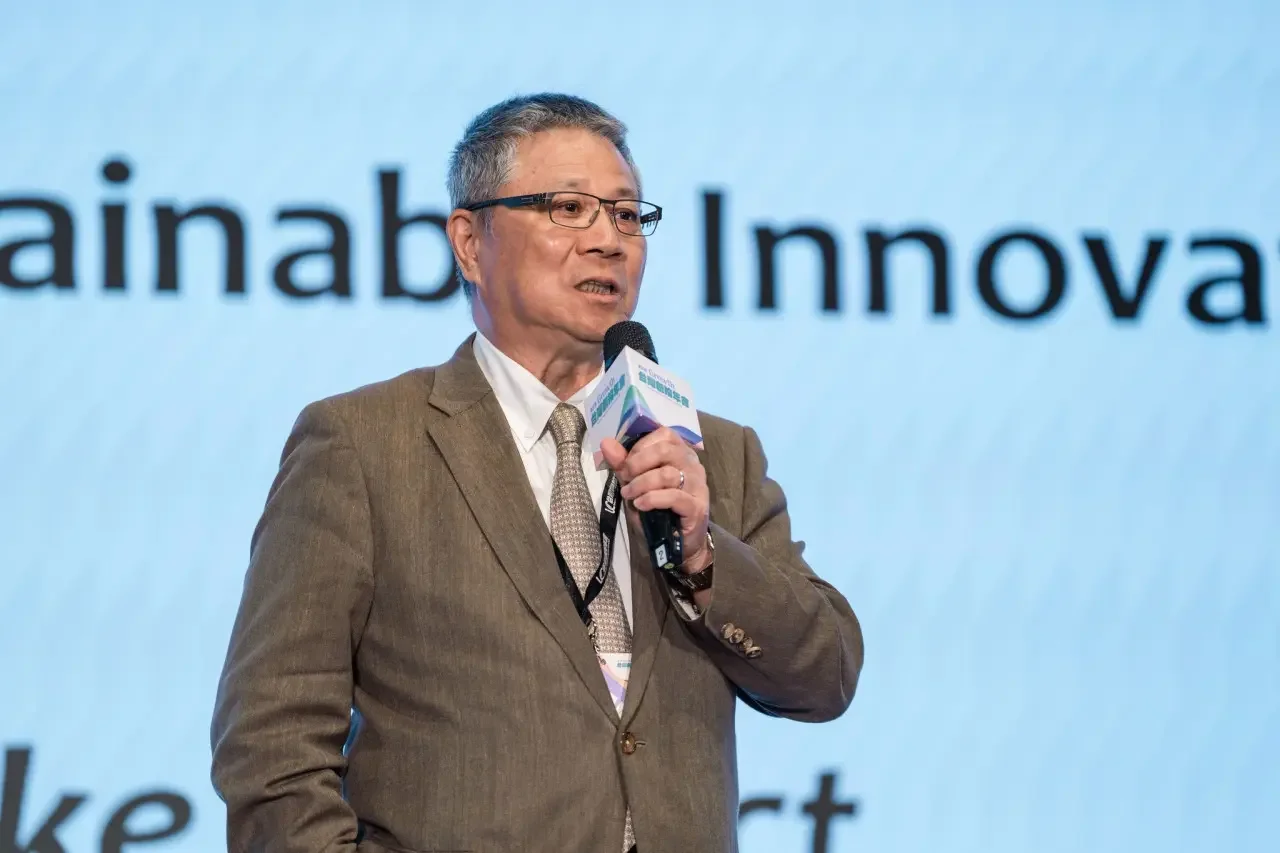
Chris Lin highlighted that Aspeed’s chip architecture is based on the Mixture of Experts (MoE) model—a machine learning framework also employed by DeepSeek, a Chinese AI model that gained attention earlier this year. MoE works by dividing a single task into multiple subtasks, each handled by specialized expert sub-models. This structure enhances computational efficiency and model performance while reducing energy and hardware costs.
However, DeepSeek’s latest version encountered major setbacks when attempting to shift from NVIDIA GPUs to Huawei’s Ascend chips. The switch failed due to technical incompatibilities, forcing the team to revert to its original hardware platform. The release was delayed, and competitors gained ground, underscoring that while MoE holds promise, its success hinges on robust system integration and hardware-software alignment.
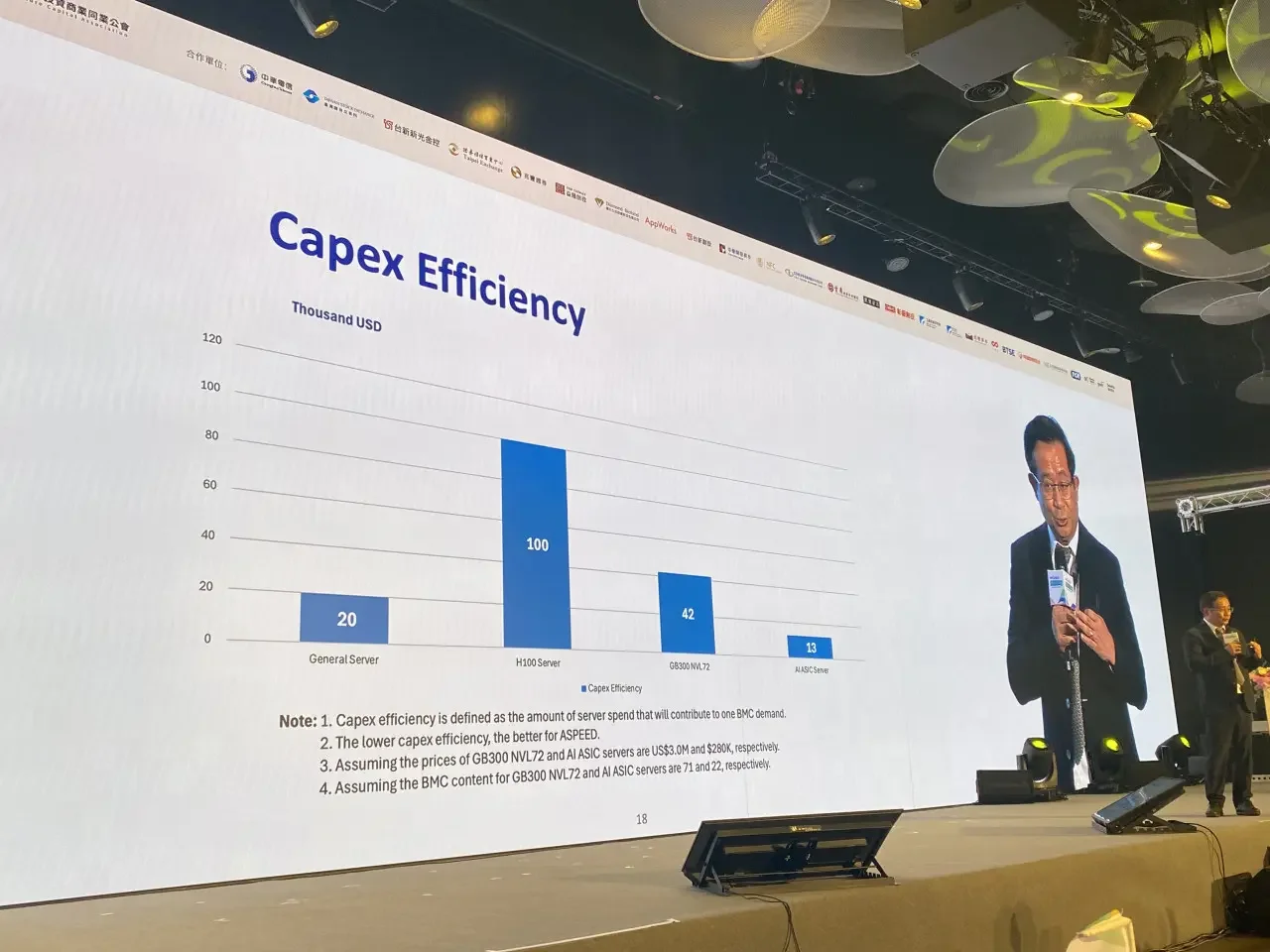
Chris Lin further explained that Aspeed has analyzed the capital expenditure efficiency (Capex Efficiency) across various server markets—comparing general-purpose CPU servers, high-end GPU servers like NVIDIA’s H100 and GB300, and ASIC (Application-Specific Integrated Circuit) architectures—in terms of the density of BMC chips required.
Simply put, Lin aimed to determine how much server capital investment is needed for each Aspeed BMC chip to be deployed. The findings revealed that ASIC-based servers demand the highest BMC usage density: for every $13,000 in capital expenditure, one BMC chip is required. In contrast, for H100-based GPU servers, it takes $100,000 of investment to warrant the use of one BMC chip.
ASICs are custom-designed chips tailored for specific applications—Bitcoin mining chips being a well-known example. While ASICs gained popularity during the 1980s and 1990s, they were later overtaken by general-purpose chips due to the high complexity and cost of customization. However, the rise of AI has brought renewed attention to ASICs for their ability to be deeply optimized for specific tasks.
In other words, the ASIC market presents a significantly higher usage density and business potential for Aspeed’s BMC chips compared to other architectures. In recent years, major cloud and AI players—including Google (TPU), AWS (Trainium, Inferentia), Microsoft (Maia, Cobalt), and Meta (MTIA)—have invested heavily in developing their own ASICs for use in voice recognition, image generation, and large language model inference. These high-performance, highly customized computing demands are expected to drive Aspeed’s long-term and stable growth.
In summary, Aspeed’s position as the most expensive stock in Taiwan’s equity market—the so-called “king of stocks”—is not solely due to its high EPS and impressive growth. More importantly, the company plays a central role in the booming AI server industry and enjoys strong competitive advantages within an oligopolistic market. These factors justify its elevated price-to-earnings ratio, making Aspeed a rare combination of high growth, high profitability, and high valuation—an investor favorite in today’s market.
High EPS, High Growth—Two Key Lessons from Aspeed’s Success
Aspeed’s rise to the top of Taiwan’s stock market offers two key lessons for entrepreneurs and venture capitalists aiming for global markets.
First, Aspeed didn’t enter a well-established or popular market at the time of its founding. Instead, it targeted a yet-untapped blue ocean segment. Through early strategic positioning and consistent development of technical advantages, the company seized a first-mover advantage and gradually built an unshakable oligopolistic position. This reflects what Quanta founder Barry Lam said 20 years ago: “I don’t go to the blue ocean—because it always turns red. I go to the cloud.” Aspeed rode the wave of AI and cloud servers to achieve its current market position.
Second, founder John Lin did not start Aspeed in his youth. Rather, it was a mid-career pivot—after his former employers, SiS and Trident, were acquired and he was forced to leave. What could have been a career setback became an unexpected launchpad. For mid-career professionals facing transitions, his journey is both inspiring and encouraging.
In fact, Taiwan has no shortage of entrepreneurs like Chris Lin who started game-changing companies during a mid-career turning point. Among them, the most representative example is Morris Chang, founder of TSMC.
In the second volume of his autobiography, Chang recalls that the latter part of his career at Texas Instruments (TI) was far from smooth. After the death of his longtime mentor, Haggerty, he lost key support within the company. Although he later took the helm at Taiwan’s Industrial Technology Research Institute (ITRI), the results fell short of expectations. In essence, before founding TSMC, Chang had hit a dead end in his career. And yet, it was precisely from this low point that he was able to embark on a far greater entrepreneurial success.
Choosing to start a company after a career setback can be seen as a second chance offered by fate—but not everyone in a similar situation sees it that way. Both Morris Chang and Chris Lin launched new ventures later in life, and their stories serve as powerful inspiration for both investors and entrepreneurs.

From Underdog to NT$1 Trillion Market Cap—Simom Lin Won By Betting on the Future
In contrast to Chris Lin, Wistron Chairman Simon Lin embodies the archetype of a professional manager turned entrepreneur. Around 2000, Acer had become the first major Taiwanese electronics firm to expand from ODM manufacturing into branded products—but housing both operations under one roof led to conflicts with its OEM clients and triggered concerns about competitive relationships. Recognizing this strategic strain, then-chairman Stan Shih made a pivotal decision in 2001 to spin off the contract manufacturing arm into a standalone company—Wistron. This move resolved conflicts, clarified business positioning, and laid the groundwork for Wistron’s eventual ascent to a market valuation exceeding NT$1 trillion.
When Wistron spun off from Acer, the situation resembled a fresh startup. Stan Shih firmly believed that a true separation between branding and contract manufacturing was essential to avoid any client concerns. To ensure trust, Acer proactively redirected its notebook orders to other manufacturers like Quanta, putting tremendous pressure on Wistron from the very beginning.
At that time, Acer still held the most resources among the related companies, while the earlier-spun-off BenQ-AUO Group was rapidly expanding in the mobile phone and display panel sectors. In contrast, Wistron was seen by capital markets as the least promising player.
Moreover, over the past 20 years, Wistron’s ODM business has often been labeled as a “3–4% margin” industry, with its stock price hovering around NT$30–40 for extended periods. Chairman Simon Lin rarely accepted media interviews during this time, as he was constantly under pressure to meet the company’s aggressive performance targets.
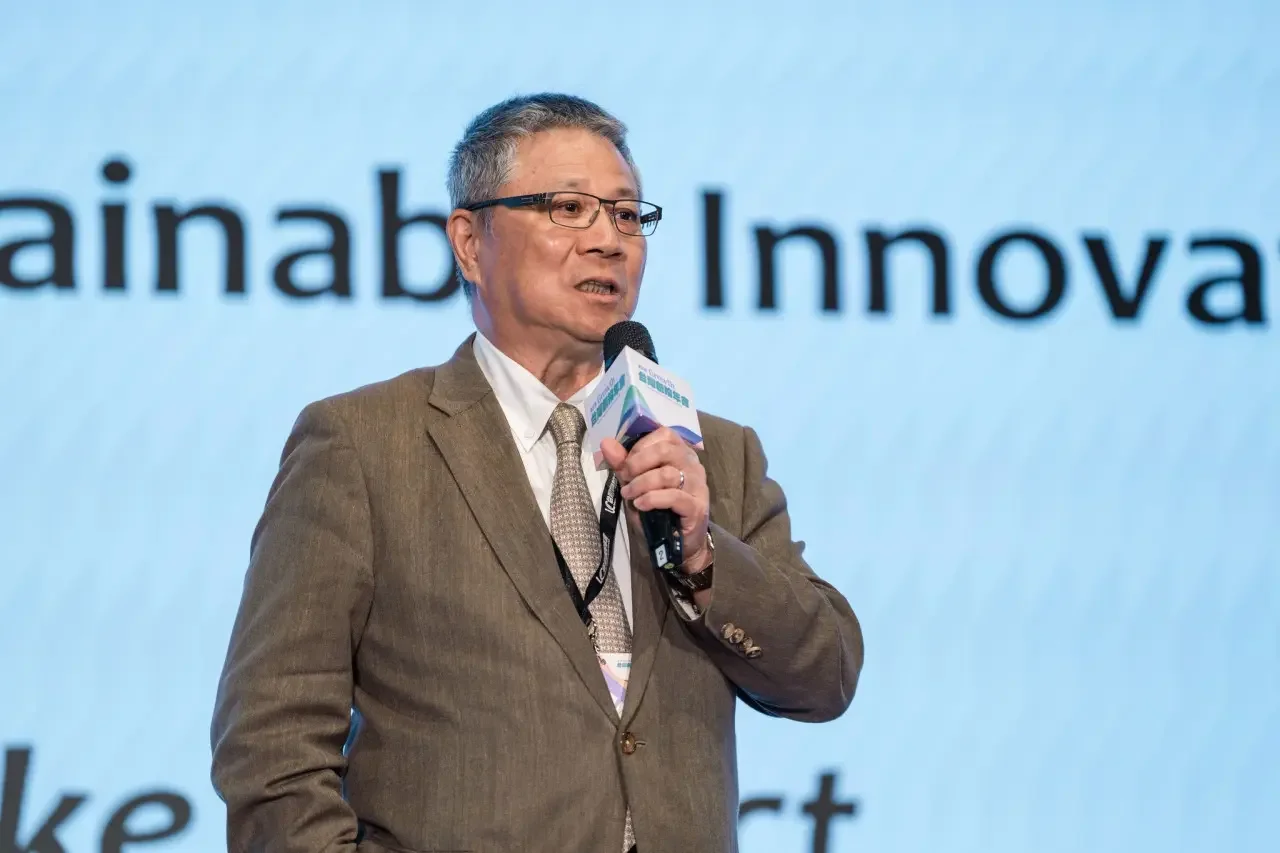
Today, the combined market capitalization of Wistron and its server subsidiary WiWynn has exceeded NT$1 trillion (approx. US$30 billion)—and this figure excludes other group companies such as WITS, WNC, and QTC.
In contrast, Acer—the original parent company—has a standalone market value of about NT$90 billion (approx. US$2.7 billion). Including all of its investments, the total value still only reaches slightly above NT$100 billion (approx. US$3 billion).
As for the two other major groups spun off from Acer—Qisda (formerly BenQ) and AUO (which evolved from Acer’s display division and later merged with Unipac)—their combined market cap remains below NT$150 billion (approx. US$4.5 billion).
Over more than two decades, Simon Lin has built a business empire in the undervalued and highly competitive ODM sector, with a market cap exceeding the combined value of all other Acer spin-offs by a factor of ten. This achievement underscores his keen foresight into industry trends and commitment to long-term strategy.
In March 2023, Wistron Chairman Simon Lin received an honorary doctorate from his alma mater, National Yang Ming Chiao Tung University in Taiwan. At the ceremony, Stan Shih—founder of Acer and a pioneer of Taiwan’s PC industry—praised Lin as “the successor who best embodies my values and vision.”
More than a decade earlier, Lin had already initiated a strategic transformation of Wistron, shifting its focus toward cloud computing and AI server markets. He led the spin-off of WiWynn, a subsidiary specializing in high-end server manufacturing, positioning it for the growing global demand. As geopolitical tensions between the U.S. and China intensified, Lin made the bold decision to retreat from lower-margin assembly operations in China and India, demonstrating exceptional risk management foresight.
“Simon had the courage to abandon massive legacy assets and pivot early to future-oriented investments,” said Shih. “That decisiveness and forward-thinking impressed me deeply.”
Unlike conventional entrepreneurs, Simon Lin began his second act in business after the age of 50. Through patience and persistence, he continuously adapted his company’s direction and ultimately built a corporate group with scale and value unmatched by its former peers.
From Seeking Small Comforts to Striving for Global Impact
Among his peers in Taiwan’s business community, Simon Lin stands out as one of the most proactive leaders in startup investment. At this year’s annual venture capital conference, he shared Wistron Group’s corporate venture capital (CVC) strategy and announced plans to scale the CVC fund to US$500 million, with a goal of investing in over 100 startups. Lin also highlighted his observations of Israel—a small nation with limited resources yet a proven track record of producing globally influential tech companies—as a model Taiwan can learn from.
Lin further pointed out that Taiwan has long been steeped in a “small happiness” culture, which fosters conservatism and a lack of ambition to pursue global impact or disruptive innovation. In the face of global industrial shifts and rapid technological change, he urged Taiwan’s entrepreneurs and companies to broaden their vision, target international markets, and create long-term, transformational value to truly make a mark on the global stage.
Simon Lin stated that given Taiwan’s current national strength—including its prowess in IT and semiconductors, as well as its critical role in the global supply chain—the country should aim for greater ambitions, rather than settling for “small comforts.”
Simon Lin pointed out that while Taiwan holds significant international influence in the electronics industry—particularly in manufacturing and supply chain management—the country has remained overly conservative and slow to respond to global waves of innovation and tech investment. He questioned why Taiwanese firms did not participate in the early-stage funding of rapidly growing companies like Google, YouTube, Alibaba, or PayPal over the past decade. Was it due to unfamiliarity with these teams? A lack of capital? Or simply the absence of international networks and connections?
Lin highlighted that even Alibaba once sought funding in Taiwan, but most investors failed to recognize the opportunity. This, he noted, reflects a broader industrial culture in Taiwan—one that emphasizes diligent execution but often overlooks transformative global trends.
He stressed that Taiwan’s startup ecosystem and broader society should not settle for “small wins.” While incremental breakthroughs are important, they are not enough to sustain long-term competitiveness. Entrepreneurs and businesses, Lin urged, must tackle more challenging and impactful issues and cultivate the ambition to disrupt the status quo—instead of merely chasing easy profits.
Simon Lin also spoke about Israel’s culture of innovation. He noted that Israel has long faced significant geopolitical threats, making entrepreneurship not just an engine of economic growth but a core strategy for national survival and security.
In Israel, most citizens serve in the military, and many founders acquire essential skills and practical experience during their service—especially in elite tech units like Unit 8200. These experiences often become the foundation for their post-service startups.
Even when entrepreneurs are called back for military duty, their companies continue to operate smoothly, thanks to flexible organizational structures and a strong support system throughout society. Lin believes this level of resilience and societal backing is something Taiwan should learn from.
He praised how Israeli startups are willing to bet on technologies that may take a decade to materialize and are designed from the outset with the global market in mind. This bold, forward-looking mindset, he argued, is exactly what Taiwan’s innovation ecosystem needs to adopt.
Finally, Simon Lin announced the launch of Wistron’s “Compute Power Donation Program” starting this year. Under this initiative, the company will donate computing resources equivalent to 1 million GPU hours annually to startups and academic research institutions. These resources can be used for AI model training, inference, or simulation purposes, with strict usage limited to proof-of-concept development, R&D optimization, or application testing. For many teams without the capacity to build their own infrastructure, such support from one of the world’s leading ICT manufacturing giants is an invaluable boost to pursue experimental innovation in AI.
Taiwan’s venture capital (VC) industry has grown over the past four decades since its formal establishment in 1984. With policy backing and the evolution of high-tech clusters, a capital ecosystem to support technological entrepreneurship has gradually taken shape. Early VC firms such as Walden International played a critical role in introducing international capital and accelerating commercialization in sectors like semiconductors and telecommunications. I’ve been covering this sector for over 30 years, and through those years, I’ve developed close ties with industry players, including several past chairpersons of Taiwan’s VC association, as well as Lip-Bu Tan, then-chairman of Walden and later a senior executive at Intel.
Today, although Taiwan’s VC industry is well-established, the rise of AI, large language models, and hardware-software integration demands a new wave of ambition—one that breaks away from traditionally cautious investment logic. The stories of Chris Lin and Simon Lin exemplify two powerful archetypes: one rooted in technical innovation and product creation, the other in strategic transformation and organizational leadership. Together, they provide invaluable insight for Taiwan’s venture and startup communities, demonstrating that even in an era of global technological upheaval, Taiwan can still take the lead.
Related Articles
Micron Announces Its Largest Rewards Ever. Its Taiwan Union's Demands Expose a Clash of Pay Systems. A strike threat at Taiwan's largest foreign investor, read in three dimensions
TSMC's 3nm rinse comes exclusively from AEMC, a Taiwanese company once withdrawn from the Emerging Stock Board
Taiwan AI Industry Upgrade Forum Series || Event Report:America Wants More Manufacturing. What Does It Take for Taiwan’s Suppliers to Follow?