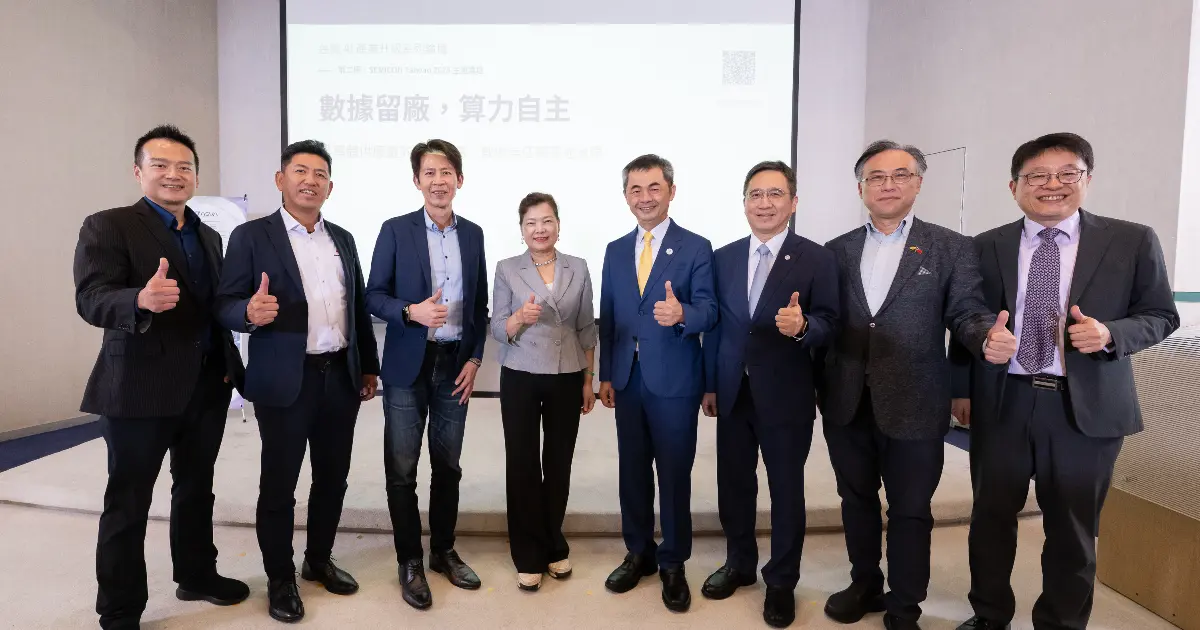
No Cancellations Allowed Amid Memory Shortage: Contrasting the Ecosystem Strategies of Samsung and TSMC
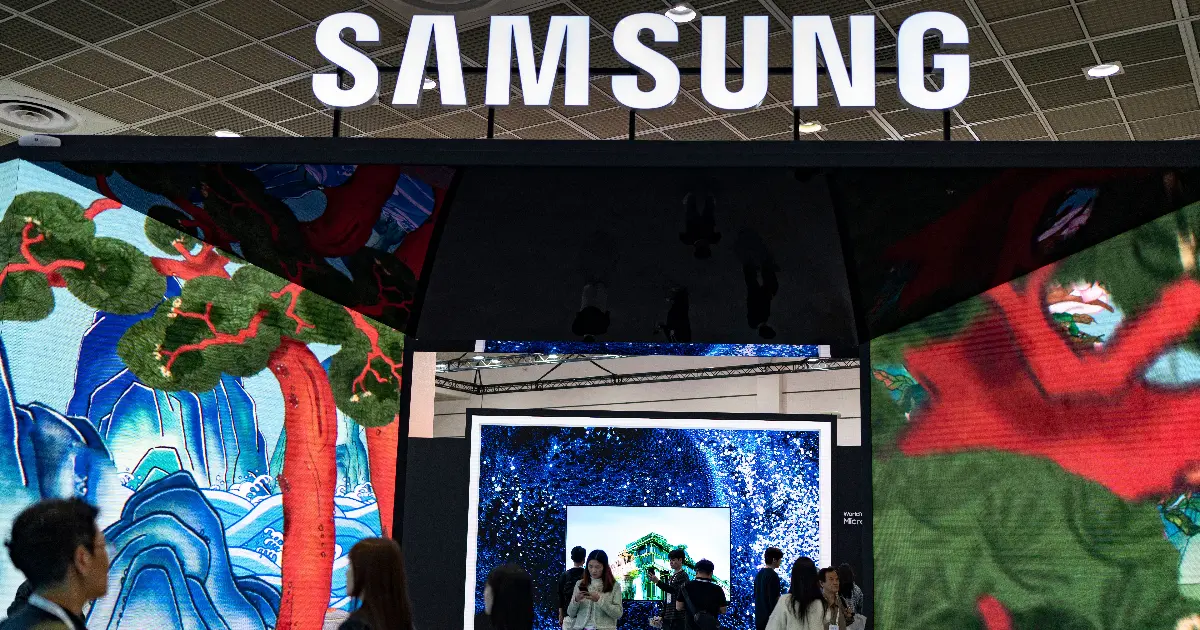
Driven by surging demand for Artificial Intelligence (AI), the memory market has skyrocketed, entering a "super-cycle" characterized by severe shortages. According to a report by the prominent semiconductor industry outlet DIGITIMES, supply chain sources indicate that South Korean memory giant Samsung Electronics, anticipating a frantic rush for DDR4 memory, is requiring server clients to sign "NCNR" (Non-Cancellable, Non-Returnable) contracts. This move is designed to ensure Samsung secures maximum profit through its capacity allocation.
The immediate impression upon seeing this news is that the familiar Samsung Electronics of the past has returned. After weathering a slump following the pandemic, Samsung is now aggressively adjusting its stance, poised to capitalize on this market opportunity.
According to supply chain players and distributors, Samsung’s internal strategic thinking has shifted. Capacity allocation is now prioritizing "profit maximization" as the company aggressively pushes its memory business to regain the industry throne.
Samsung's approach involves delaying the planned phase-out of DDR4 production—originally scheduled for the end of 2025. With no solution to the market shortage in sight and spot prices remaining high, Samsung is slowing down the discontinuation of DDR4 and offering this capacity to server clients under long-term NCNR agreements.
"Non-Cancellable" Terms: Clients Have Little Choice But to Swallow the Pill
The key reason behind Samsung’s calculation lies in the High Bandwidth Memory (HBM) sector, which is critical for AI servers. In the latest HBM3E specification, Samsung’s mass production competitiveness still lags behind its two main rivals, SK Hynix and Micron. Furthermore, its cost structure and profitability in this segment are inferior to its general-purpose standard products like DDR5 and DDR4. Consequently, Samsung is shifting its high-end focus to the race for the next-generation HBM4 while slowing the phase-out of existing DDR4 lines to maximize current earnings.
Another crucial factor in Samsung’s plan to slow DDR4 production cuts is the undeniable strength of DDR4 demand, which currently commands the highest premium. While the price for long-term NCNR supply of DDR4 16Gb to clients sits above $20, the spot market price has already looked toward $60. Such a massive premium is too good to miss, becoming the primary driver for Samsung’s strategic adjustment.
According to feedback from Samsung's clients, NCNR stands for "Non-Cancellable, Non-Returnable"—essentially a draconian contract that locks clients in. While the condition ensures Samsung maximizes profit from its capacity allocation, for clients, it is an unwelcome agreement they are forced to accept.
From a business perspective, it is a fundamental truth that supply and demand dictate prices. Memory prices surged during the pandemic due to shortages, but following the easing of the pandemic in 2023, prices shrank significantly, causing Samsung’s profits to plummet by 95% that year. The current price rebound is, once again, the result of a supply-demand imbalance.
Historically, the memory industry has operated on a distinct boom-and-bust cycle: lose money in bad times, make a fortune in good times. Therefore, for memory suppliers, the strategy is to minimize losses during downturns and aggressively recoup them when the economy recovers. This is the industry norm and perhaps unsurprising.
Maximizing Supplier Profit Breeds Tension and Distrust with Clients
However, within the memory supply chain and ecosystem, when a major manufacturer prioritizes profit maximization, it often places many mid-to-downstream clients under existential pressure, with some inevitably facing elimination.
With memory prices soaring, large Cloud Service Providers (CSPs) aggressively investing in AI may have the deep pockets to weather the storm. However, for the consumer electronics sector—such as makers of Personal Computers (PCs), smartphones, and general-purpose servers—a booming memory market is a disaster. Without key memory components, end products cannot ship, and the negative impact is profound.
Therefore, facing the super-cycle of 2026, many industries involving smartphones, PCs, and even mid-to-low-end non-AI servers are already preparing to reduce shipments or downgrade memory specifications to minimize losses during this crisis.
While suppliers focus on maximizing their own profits—and clients can say little about it—this dynamic fosters tension and distrust. Consequently, when the memory market eventually turns sour and suppliers are sitting on unsellable inventory, they cannot expect clients to show solidarity or negotiate long-term, stable orders at higher-than-market prices. The prevailing sentiment becomes, "If I don't exact revenge now, I'm not a gentleman; driving your price into the ground is the least I can do." This vicious cycle repeats itself frequently in the memory industry.
This brings me to a discussion on the distinct differences between Samsung Electronics and TSMC (Taiwan Semiconductor Manufacturing Company) regarding their management of ecosystems involving clients, suppliers, and stakeholders.
As a veteran commentator who has long observed the semiconductor industry, I published a book on Samsung Electronics in 2012, discussing how it utilized a "counter-cyclical investment strategy" during the global financial crisis to crush the DRAM and panel industries of Taiwan and Japan. Two years ago, I wrote The Glory of the Chip Island: TSMC, Semiconductors, and the Chip War, deeply analyzing how TSMC manages its operations to become the world leader. The attitudes of these two companies toward their "ecosystems" represent two distinct archetypes worth exploring.
Shortages During the Pandemic: TSMC Prioritized Relationships Over Price Hikes
First, while Samsung leads in memory and TSMC leads in logic IC wafer foundry, their management of ecosystems differs significantly.
Wafer foundry also experiences business cycles, but because it does not produce standard products, the cycles are not as direct or pronounced as in memory. During the severe shortages of the last pandemic, foundries faced a clear lack of capacity. At the time, many automakers came to Taiwan seeking capacity. TSMC did not significantly raise prices; conversely, second-tier foundries hiked prices aggressively, seizing the opportunity to make a quick profit.
Naturally, as the pandemic receded, the automotive market saw a clear correction. Not only did demand weaken, but the market also faced the shock of Chinese electric vehicles aggressively entering the global arena. Furthermore, industries including PCs and smartphones also saw significant downward revisions. The second-tier foundries that had capitalized on the boom made a one-time profit, but that was the extent of it.
Viewing the memory and foundry industries from an ecosystem perspective, the difference is stark. The main reason lies in the fundamental differences in industry characteristics, client relationships, and supplier interactions.
For instance, memory is a highly "commoditized" industry. Within the same generation of DRAM, functionality is virtually identical across manufacturers. Clients compare price, supply stability, and adherence to specifications. If a product can be made, it can be sold; thus, once process technology matures, price wars erupt immediately.
In contrast, regarding logic IC processes in wafer foundry, every product is unique. Every System on a Chip (SoC) is different, making them highly customized goods. Moreover, foundries must co-design with clients. Yield rates are not determined solely by the manufacturer but are the result of "Design × Process" co-creation with the client.
Therefore, the learning curve for memory manufacturers comes from mass production and product unification, requiring massive R&D resources and capital expenditure. However, as long as the product is made, there will be customers because it is a standard product. The selling price depends on supply and demand, but there is no fear of being unable to sell it.
Standardized Memory Relationships Lack the Intimacy of Wafer Foundry Ties
The learning curve for wafer foundry, however, begins before production through cooperation with specific clients and various error corrections. Experience is accumulated through the failure of every "Tape-out" (the process of sending the final circuit design to the factory for manufacturing). This experience often cannot be documented in files; it exists within the daily operations of actual production and can only be achieved by establishing long-term trust and co-creation relationships with clients.
Thus, looking at the vastly different structures and processes of these two industries, it is evident that the relationship between the foundry industry and its clients is extremely tight. For example, TSMC must coordinate closely with clients like Apple and NVIDIA from the early stages of product design. Otherwise, producing a product that does not meet the client's needs results in a pile of useless scrap, as TSMC cannot find other customers to take it over.
The memory industry is different. Although understanding client needs is necessary before developing some products, because most are standard products, if Client A does not want them, Client B will. Furthermore, with obvious business cycles, there is absolutely no worry about unsold inventory during shortages. As long as one survives the downturn, every recovery brings renewed vitality.
Therefore, based on industry characteristics, the wafer foundry industry has tighter connections and closer co-creation with clients, essentially operating on a win-win model. The memory industry, however, is different; the relationship between suppliers and clients is more distant. Sometimes, it is a zero-sum game where one side wants to sell high and the other wants to buy low, leading to mutual suspicion and conflicting interests. This has shaped the very different management philosophies and operating models of TSMC and Samsung Electronics.
Downstream Conflicts: Samsung’s Dual Role in Mobile and TV Creates Interest Clashes
Of course, what I have mentioned is just one angle for observing the cultural differences between TSMC and Samsung Electronics. In fact, comparing Samsung to other memory suppliers like SK Hynix and Micron offers another perspective on conflicts of interest: Samsung possesses its own end products and brand.
For example, neither SK Hynix nor Micron has its own downstream products; therefore, they are unlikely to have conflicts of interest with clients. Samsung, however, produces its own smartphones and televisions. It is both a memory supplier and a downstream user. When memory is in short supply, how Samsung allocates supply to competitors in the smartphone and TV markets—such as whether Apple's iPhone can secure supply—becomes another test of conflicting interests.
Returning to Samsung Electronics requiring server clients to sign NCNR contracts to ensure maximum profit from capacity allocation: For Samsung, this policy may simply be a continuation of past practices—a standard procedure for managing business cycles and revenue. However, for the numerous clients dealing with Samsung, this is a new measure capable of causing significant shock.
For Samsung Electronics, which has historically dominated the memory industry, continuing with past practices might seem viable. The problem is that last year, SK Hynix already claimed the memory throne, Micron is aggressively trying to overtake, and competitors in China are advancing rapidly. Whether to squeeze out every last penny of profit or take a more balanced approach may be a critical choice.
How to view others in the ecosystem as stakeholders is a major lesson for Samsung Electronics and likely the most critical test determining the future fate of this electronic giant.
Related Articles
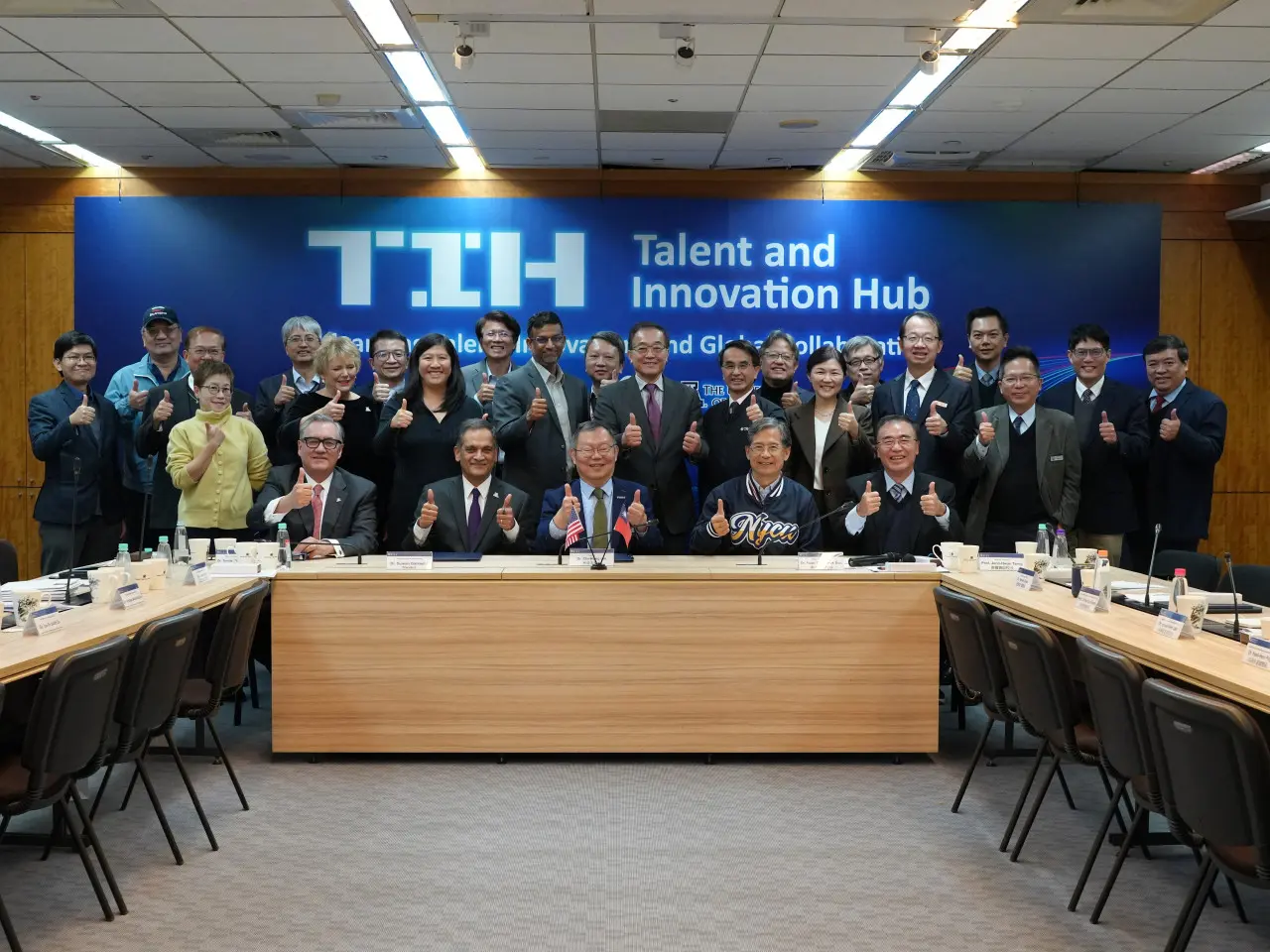
Wherever TSMC Builds a Fab, a Taiwanese University Brings Training: NYCU Plans Arizona Courses in 2027 and a U.S. Branch-Campus Application From 2030
Micron Announces Its Largest Rewards Ever. Its Taiwan Union's Demands Expose a Clash of Pay Systems. A strike threat at Taiwan's largest foreign investor, read in three dimensions
TSMC's 3nm rinse comes exclusively from AEMC, a Taiwanese company once withdrawn from the Emerging Stock Board