Insights into Taiwan-Japan Industrial Differences: A Perspective on Process Technology and Water Usage
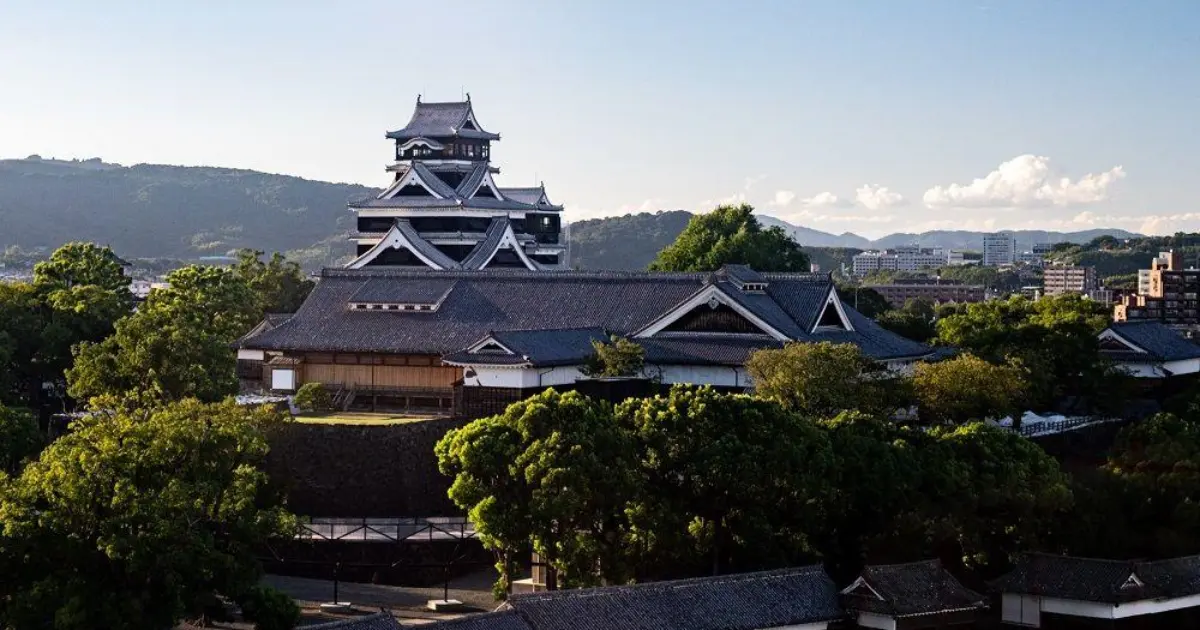
Last year, following the publication of my book TSMC: The Secret to Moving the World in Japan, I began frequent exchanges with the Japanese industry and media. Recently, Japanese media have focused their inquiries on two specific issues: whether the process technology at TSMC's second Kumamoto plant (JASM) will be upgraded, and the controversy surrounding JASM's water usage. I would like to share my perspectives in this column.
Regarding the process planning for JASM's second fab, Japanese media first disclosed a possible upgrade to 4-nanometer (nm) technology, followed by reports from Taiwanese media suggesting a leap directly to 2nm. Although TSMC has not officially confirmed these reports, my view is that since JASM Fab 2 is still under construction, any design changes would inevitably delay the production timeline from the original 2027 target, likely pushing it to 2028. However, considering market demands three years from now, the probability of TSMC upgrading the process technology for JASM Fab 2 is quite high.
In fact, TSMC Chairman C.C. Wei has stated that global data center construction plans have tripled, and the demand for AI chips far exceeds current capacity. Leading chipmakers such as NVIDIA, AMD, Apple, Google, and Amazon are all shifting toward cutting-edge chips. Three years from now, 6nm and 7nm process technologies will likely be considered "mature nodes," and demand for them will inevitably decline. Therefore, it is a reasonable deduction that TSMC will upgrade its process technology to align with these trends.
The potential changes to the Kumamoto Fab 2 plan also illustrate that TSMC's global investment layout is subject to constant, dynamic adjustment. As a staunch ally of the United States, Japan is an acceptable production location for both the U.S. government and clients given current geopolitical considerations. Furthermore, Japan’s location in Asia allows for rapid connection to backend packaging, testing, and system assembly, making it the optimal alternative under the "NCNT" (No China, No Taiwan) policy.
Currently, the shortage of advanced process capacity is a major challenge for TSMC. With Samsung and Intel unable to catch up in advanced nodes, TSMC's 3nm capacity is fully utilized yet still fails to meet customer demand, and its 2nm capacity has already been fully booked. Consequently, TSMC must not only continue to expand its facilities but also find ways to convert internal space originally planned for 7nm and 6nm nodes into advanced process lines. In the future, the Kumamoto plant will not only serve Japanese customers; orders from U.S. clients are also expected to shift significantly to production in Japan.
Addressing Groundwater Concerns: Strengthening Local Communication and Conservation Actions
Regarding JASM's water usage issues, I would like to share a personal experience. Last year, I was invited to speak at the Japan National Press Club. During the Q&A session, a reporter from the Kyushu region suddenly asked me, "Is there any problem with TSMC's water resource management? Is there a possibility of pollution?" I was somewhat startled by the question and initially unsure how to respond. having covered semiconductor news in Taiwan for over thirty years, I had rarely heard of TSMC mishandling water usage or resources. My impression was that while Taiwan's semiconductor plants consume large amounts of water, they have historically excelled in recycling and circular application.
Later, I learned that Kumamoto has a history of serious water pollution incidents, making residents extremely sensitive to water quality issues. Moreover, since Kumamoto relies heavily on groundwater resources, the public and farmers are naturally concerned that the massive water consumption of a wafer fab could lead to resource depletion. Additionally, I learned from media reporters that they lacked channels to communicate with TSMC, which exacerbated these doubts. Upon returning to Taiwan, I wrote an article suggesting that when investing overseas, TSMC needs to place greater emphasis on communication with local communities and maintain appropriate contact with local media to alleviate concerns.
TSMC executives later conveyed that they value this issue highly and will monitor it closely. In fact, for its investments in the U.S., Japan, and Germany, TSMC has assigned dedicated personnel to oversee ESG and DEI (Diversity, Equity, and Inclusion) initiatives to integrate into local cultures. Addressing the concerns of Kumamoto citizens regarding groundwater, the Kumamoto Prefectural Government has established the "Kumamoto Groundwater Foundation," composed of heads of local municipalities, to promote regional groundwater conservation.
To minimize the impact of water extraction, JASM is cooperating with Kumamoto Prefecture to expand the area of paddy fields used for groundwater recharge and to extend irrigation periods, among other measures. They have also taken active steps such as purchasing local rice to demonstrate their commitment. JASM plans to open its water treatment facilities to the media in November 2025, emphasizing that it will make every effort to avoid excessive water extraction during factory operations.
Differences in Infrastructure Mindset: Taiwan's Central Planning vs. Japan's Local Promotion
However, I also reminded the Japanese media of a key point that seems to have been overlooked: the distinct difference in how industrial zones are established in Japan versus Taiwan.
In the past, Taiwan's Science Parks—from Hsinchu and Central to Southern Taiwan Science Parks—were all promoted and established by the central government. The government would designate an area, complete land acquisition, and build all related infrastructure such as water, electricity, and transportation, creating a specialized park. This allowed companies to move in and begin R&D and production with ease.
In contrast, Japan seems to lack this type of comprehensive planning for science parks. Development is primarily driven by local governments rather than centrally coordinated. This has led to situations where, for instance, a farmer's cabbage patch sits directly opposite the JASM plant, or roads are not wide enough, causing frequent traffic congestion during commuting hours in the initial stages.
The Taiwanese Science Park model prevents the mixing of farmland within industrial parks and naturally mitigates issues of companies competing with the public for water or electricity. I believe this represents the most significant difference in the industrial development environments of Taiwan and Japan.
Related Articles
Micron Announces Its Largest Rewards Ever. Its Taiwan Union's Demands Expose a Clash of Pay Systems. A strike threat at Taiwan's largest foreign investor, read in three dimensions
TSMC's 3nm rinse comes exclusively from AEMC, a Taiwanese company once withdrawn from the Emerging Stock Board
Taiwan AI Industry Upgrade Forum Series || Event Report:America Wants More Manufacturing. What Does It Take for Taiwan’s Suppliers to Follow?