Beyond Chips: How Taiwan is Leveraging its Semiconductor Logic and NHI Data to Forge a "Non-Red" Bio-ICT Hub
[Editor's Note]This article provides an in-depth analysis of how Taiwan is horizontally transplanting its formula for success in the semiconductor industry into the biomedical sector. Amidst the restructuring of global supply chains and the shift toward "Non-Red" (clean) supply chains, Taiwan is leveraging the massive data from its National Health Insurance (NHI) system—which boasts a 99.9% coverage rate—to transform into a "data hub" for AI-driven healthcare. Through dialogues among top-tier national researchers and private-sector drug development innovators, this piece reveals how Taiwan's medical elite are striving to break down data silos. By harnessing the synergy of Bio-ICT (the convergence of biomedical and information communications technology), Taiwan is paving a second global growth curve to follow its triumphs in chip manufacturing.
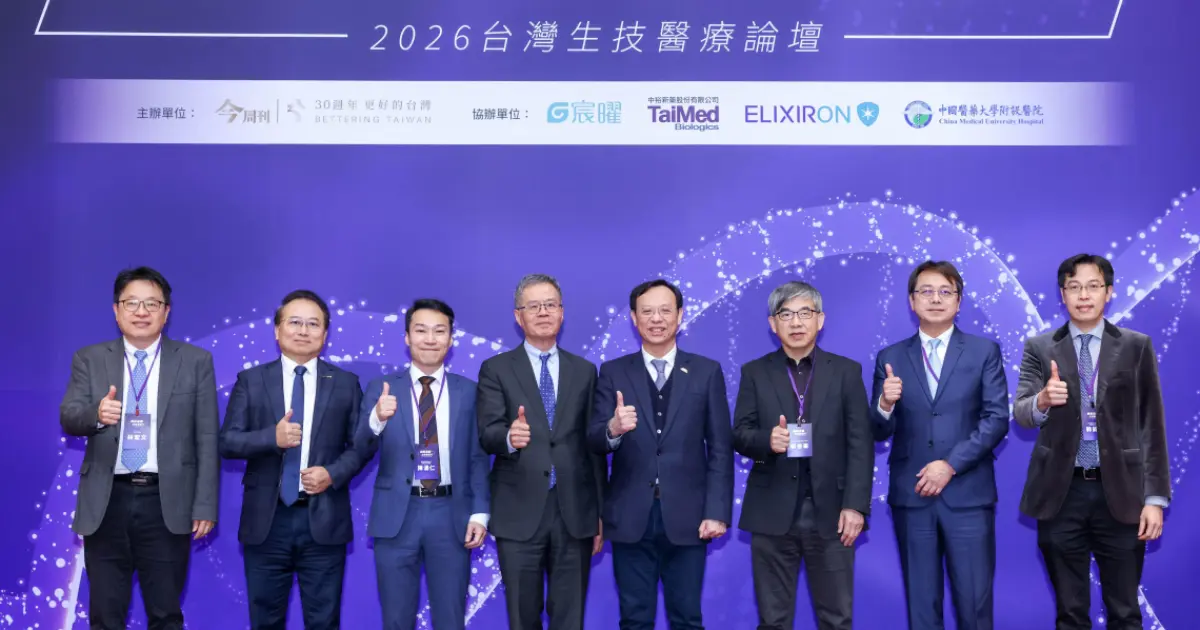
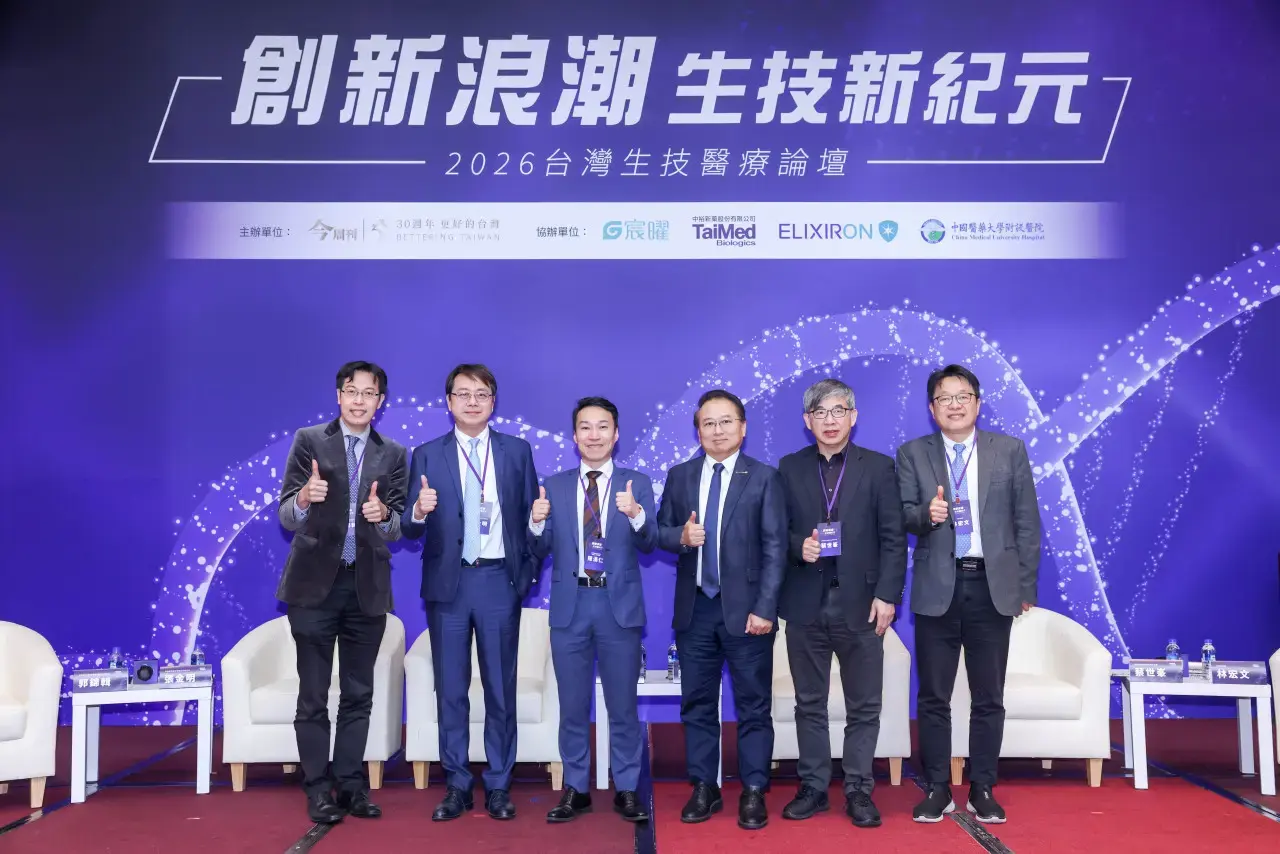
Last Friday (March 13), I hosted the "2026 Biotech and Healthcare Forum" organized by Business Today magazine. We invited five distinguished experts from the realms of national scientific research, corporate new drug development, cell therapy, and big data to discuss the advancement of precision medicine and precision health in Taiwan. The forum sparked several brilliant insights, which I would like to share with you here.
The five keynote speakers, all holding doctorates and recognized as authorities in their respective fields, included:
- Dr. Shih-Feng Tsai: Honorary Researcher at the National Health Research Institutes (NHRI, Taiwan’s highest-level medical research institution).
- Dr. Hung-Kai Chen: Founder and Chairman of Elixiron Immunotherapeutics.
- Dr. Yung-Jen Chen: Founder and General Manager of Aurismed.
- Dr. Chin-Ming Chang: CEO of TaiMed Biologics [Note: TaiMed is a landmark enterprise and the first in Taiwan to receive US FDA approval for a novel HIV drug].
- Dr. Chin-Chi Kuo: Vice Superintendent of the Big Data Center at China Medical University Hospital (CMUH).
TaiMed is a veteran in the biotech drug space, while Elixiron is a rising star in new drug development. Aurismed has already established a multinational footprint with 14 medical centers across Taiwan, Japan, and New Zealand. China Medical University (CMU) and its affiliated hospital are widely regarded as the "dominant healthcare and academic powerhouse" in central Taiwan. As for Dr. Shih-Feng Tsai, he is the pioneering figure who has spearheaded Taiwan's precision medicine initiatives. Having retired from NHRI last year, he remains highly revered as a "mentor" by both industry and academia.
From a "Shotgun Approach" to "Surgical Precision": How Precision Medicine is Changing the Game
During the forum, Dr. Hung-Kai Chen discussed Elixiron's entry into precision immunotherapy, focusing on unmet medical needs such as vitiligo and dementia. Both of these flagship drug candidates have entered Phase II clinical trials. The company has also twice received the "Part the Cloud" grant funded by Bill Gates and the Alzheimer's Association, making it the only company in Asia to receive this prestigious backing and demonstrating that Taiwan's R&D capabilities are recognized by top-tier global research organizations.
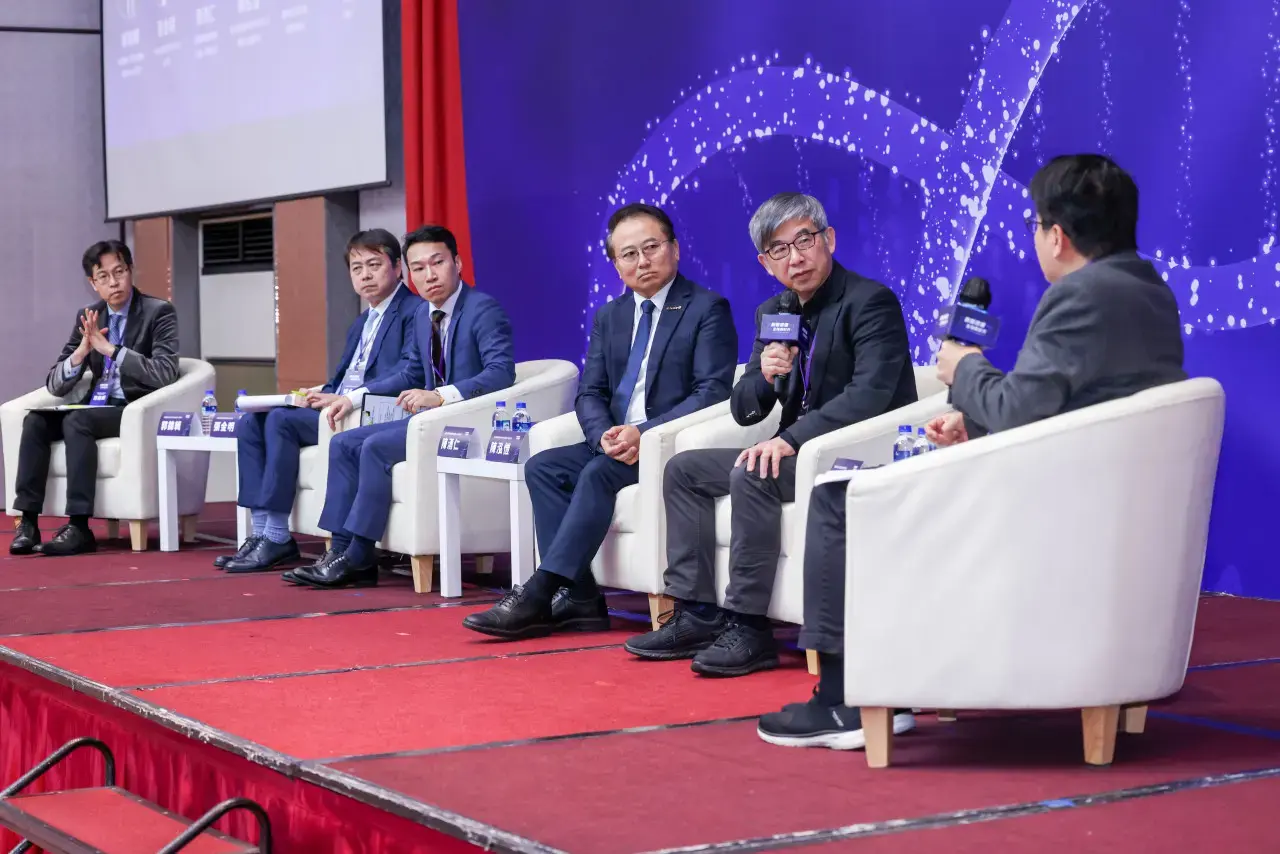
Furthermore, Dr. Chin-Ming Chang noted that TaiMed has expanded from HIV drug R&D into precision immunotherapy. By developing a cellular targeting platform, the company is diversifying into autoimmune diseases (via its ADC, or Antibody-Drug Conjugate, platform) and CDMO (Contract Development and Manufacturing Organization) services. Dr. Yung-Jen Chen shared how Aurismed integrates preventive medicine, smart technology, and clinical treatment. They are currently partnering with the Altira Macau group to develop a business model combining casino tourism with healthcare, effectively creating an avenue to "export" Taiwan's exceptional medical talent and premium services overseas.
Dr. Chin-Chi Kuo shared CMUH's achievements in data governance. Adopting a patient-centric approach, the hospital has accumulated tracking data from 3.4 million patients over nearly 20 years, constructing an analytical system akin to "Data Lego." This stands as one of Asia's leading medical data analysis platforms and has already initiated international collaborations with the globally renowned Sheba Medical Center in Israel.
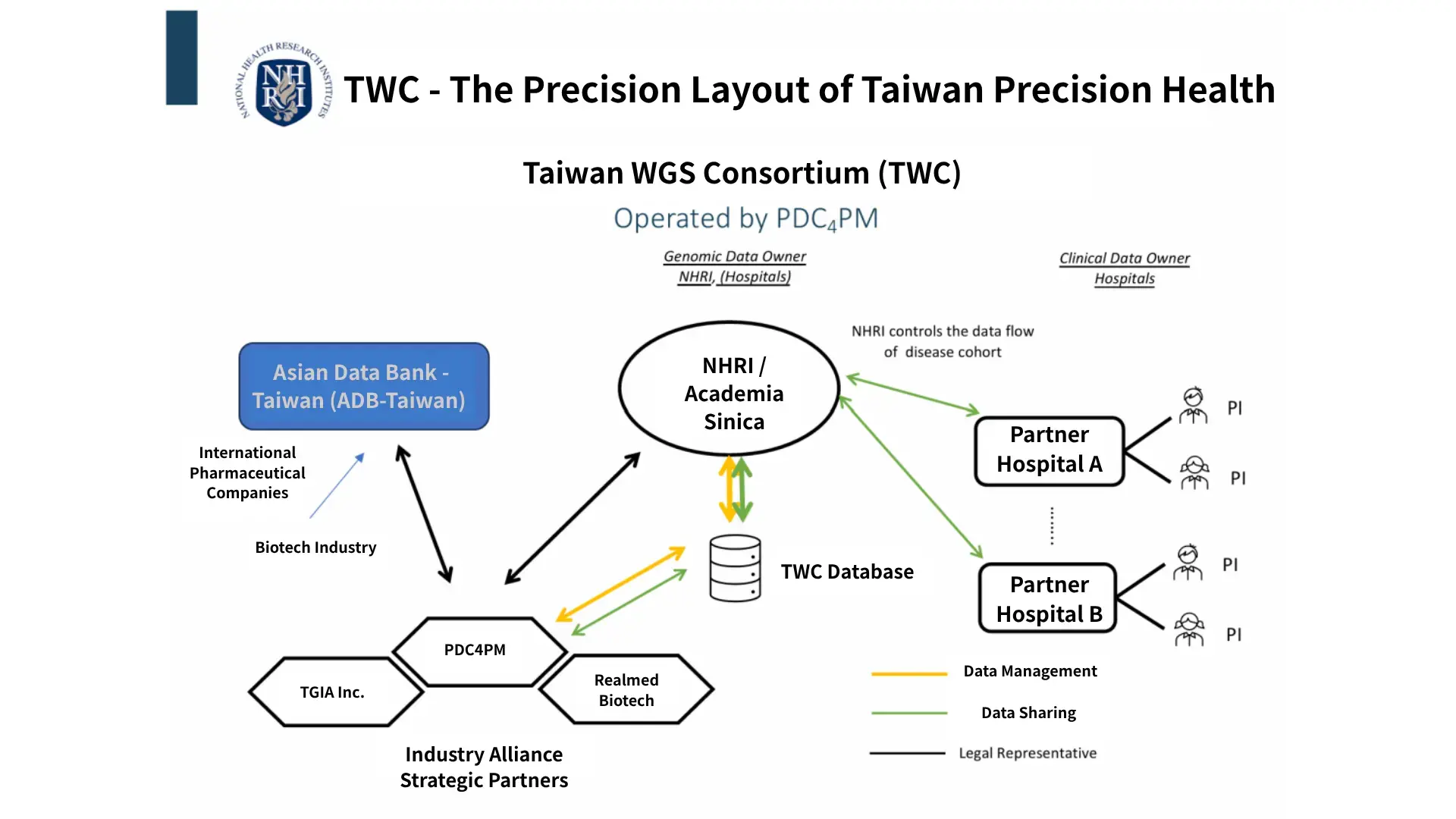
Meanwhile, Dr. Shih-Feng Tsai, a heavyweight scholar in Taiwan's genomic science and precision medicine sectors, led the national precision medicine project during his tenure at NHRI. In 2022, he founded PDC4PM, dedicating his efforts to translating academic research into commercialized precision medical services.
The central theme of this forum was "Precision Medicine." Its core philosophy is: "Delivering the right treatment, at the right dose, to the right patient, at the right time." It departs from the traditional one-size-fits-all medical model by integrating genomics, big data, and bioinformatics to tailor diagnostic and treatment plans for individual patients.
Therefore, precision medicine holds era-defining significance for both drug discovery and clinical treatment.
In new drug development, traditional methods are notorious for being costly and time-consuming—often summarized as "a billion dollars and ten years." However, precision medicine fundamentally alters the rules of the pharmaceutical game, shifting the paradigm from a blind "shotgun approach" to "surgical precision." Tactics include improving clinical trial success rates, shortening R&D timelines, facilitating drug repurposing, and refining cost precision.
As for clinical treatment, the focus for frontline physicians and patients lies in drastically elevating the quality of care and reducing unnecessary suffering. This involves transitioning from "trial and error" to a "personalized map," encompassing precise medication, minimized drug toxicity and side effects, early risk assessment and prevention, and the optimized allocation of medical resources.
Five Major Milestones in the Biotech and Healthcare Industry Over the Past Year
Before the panel discussion, I highlighted five major events that shaped the global and Taiwanese biotech industries over the past year:
- Breakthroughs in GLP-1 Weight-Loss Drugs: Driving massive revenue growth for Novo Nordisk and Eli Lilly.
- Massive Application of AI in Drug Discovery: As NVIDIA CEO Jensen Huang noted, AI is accelerating new drug development from a timeframe measured in years to one measured in months.
- The Escalating Importance of Medical Data: Taiwan has begun promoting a "National Data Team," chaired by Dr. Pan-Chyr Yang, former President of National Taiwan University [Note: NTU is Taiwan's premier academic institution, and its former presidents yield immense influence in academia and policy]. This is a solid first step, though its ultimate efficacy remains to be seen.
- Drug Resilience and Semiconductor Resilience: With the US introducing the BIOSECURE Act, the concept of a "Non-Red Supply Chain" [Note: a secure network excluding Chinese supply chains] has emerged in biotech. While Taiwan's semiconductor industry has secured numerous "Non-Red" orders, the biotech sector has yet to see obvious gains, indicating that its international competitiveness needs bolstering.
- Stock Market Dynamics: Recent market attention has heavily favored AI and semiconductor firms, leaving biotech stocks somewhat neglected. However, several high-quality biotech companies are expected to list soon, signaling that investors simply need to exercise more patience with this long-cycle industry.
Data as the Foundation: From a $10,000 Cross-Border Sequencing to Indigenous Taiwanese Tech
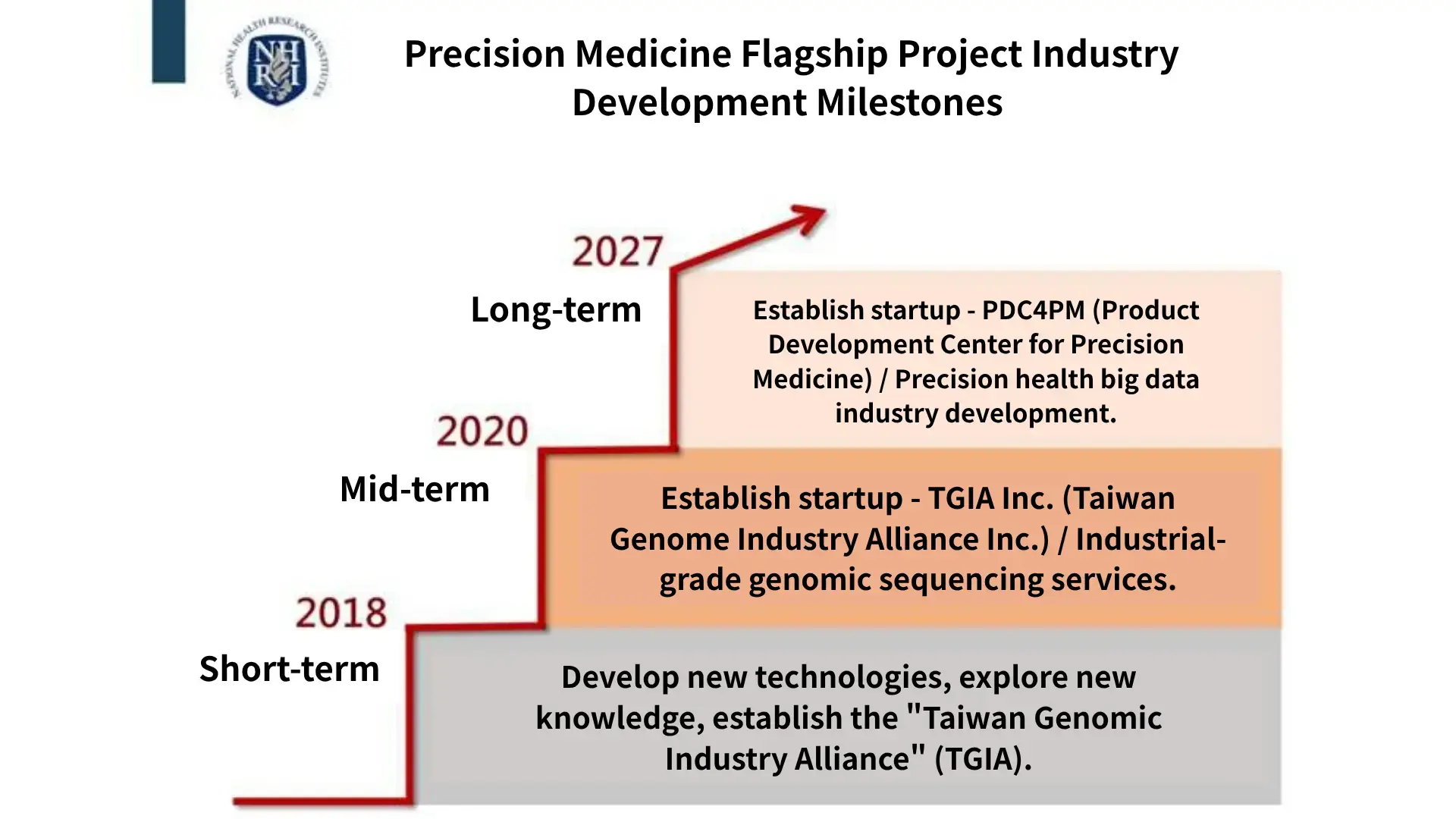
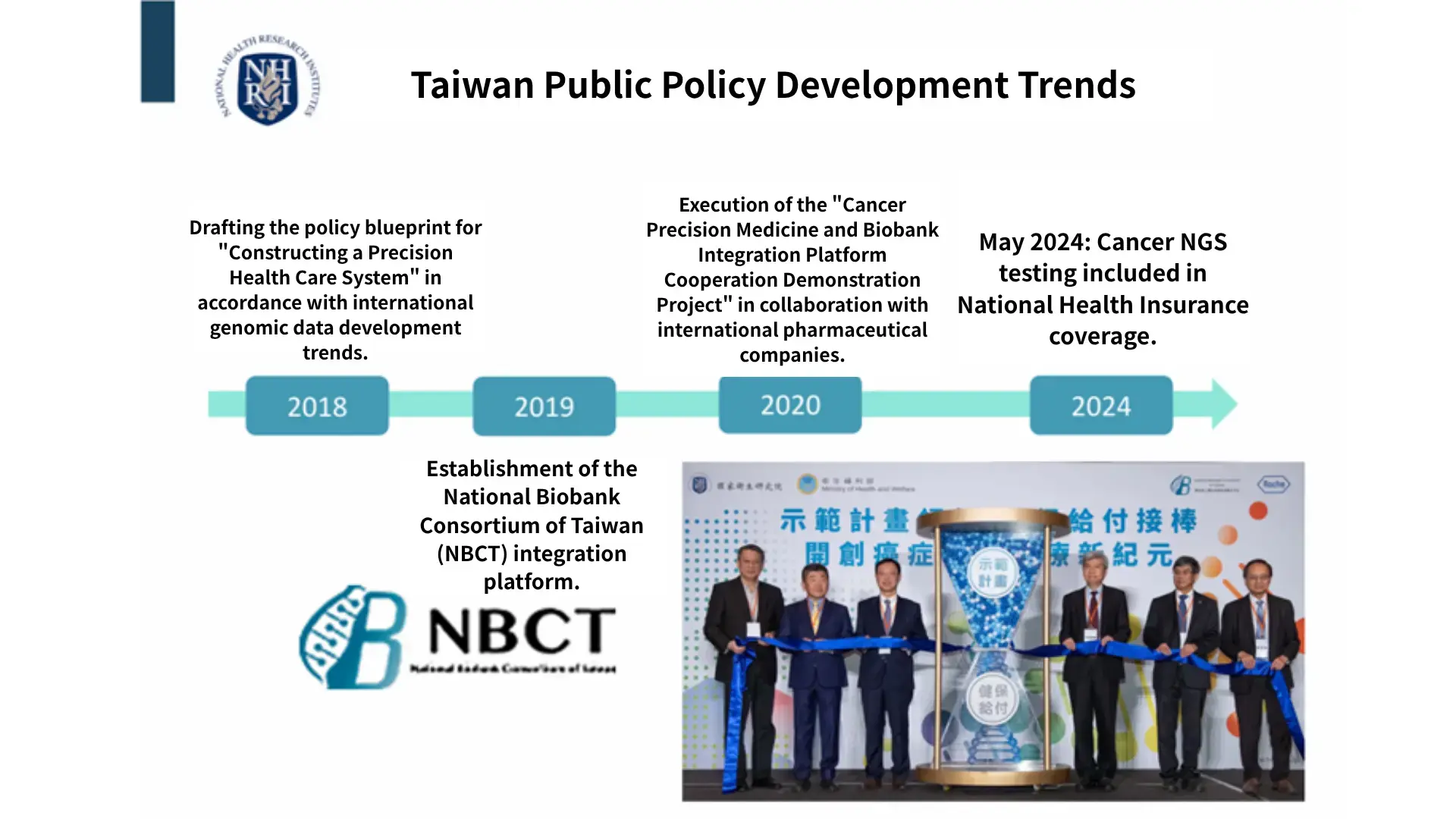
In his introductory remarks, Dr. Shih-Feng Tsai specifically mentioned that during his time at NHRI, he witnessed the rollout of Taiwan's precision medicine initiatives. From developing new technologies and forging new knowledge in 2018 to establishing the Taiwan Genome Industry Alliance, this progressed to the 2020 founding of TGIA (Taiwan Genome Industry Alliance Inc.), an industrial-grade genome sequencing service company. Now, this has evolved further with the establishment of PDC4PM (Product Development Center for Precision Medicine), aimed at pioneering business development in the precision health big data industry.
Dr. Tsai shared a profound anecdote: In the early years before Taiwan developed its own genomic technologies, he sent his and his family's genomic data to South Korea and Australia for sequencing. It cost roughly NT$50,000 to NT$60,000 per person, totaling NT$300,000 (approx. US$10,000) for the whole family. Today, genomic sequencing can be completed domestically in Taiwan at a fraction of the cost. This indigenous technology has laid a robust foundation for genomic advancement.
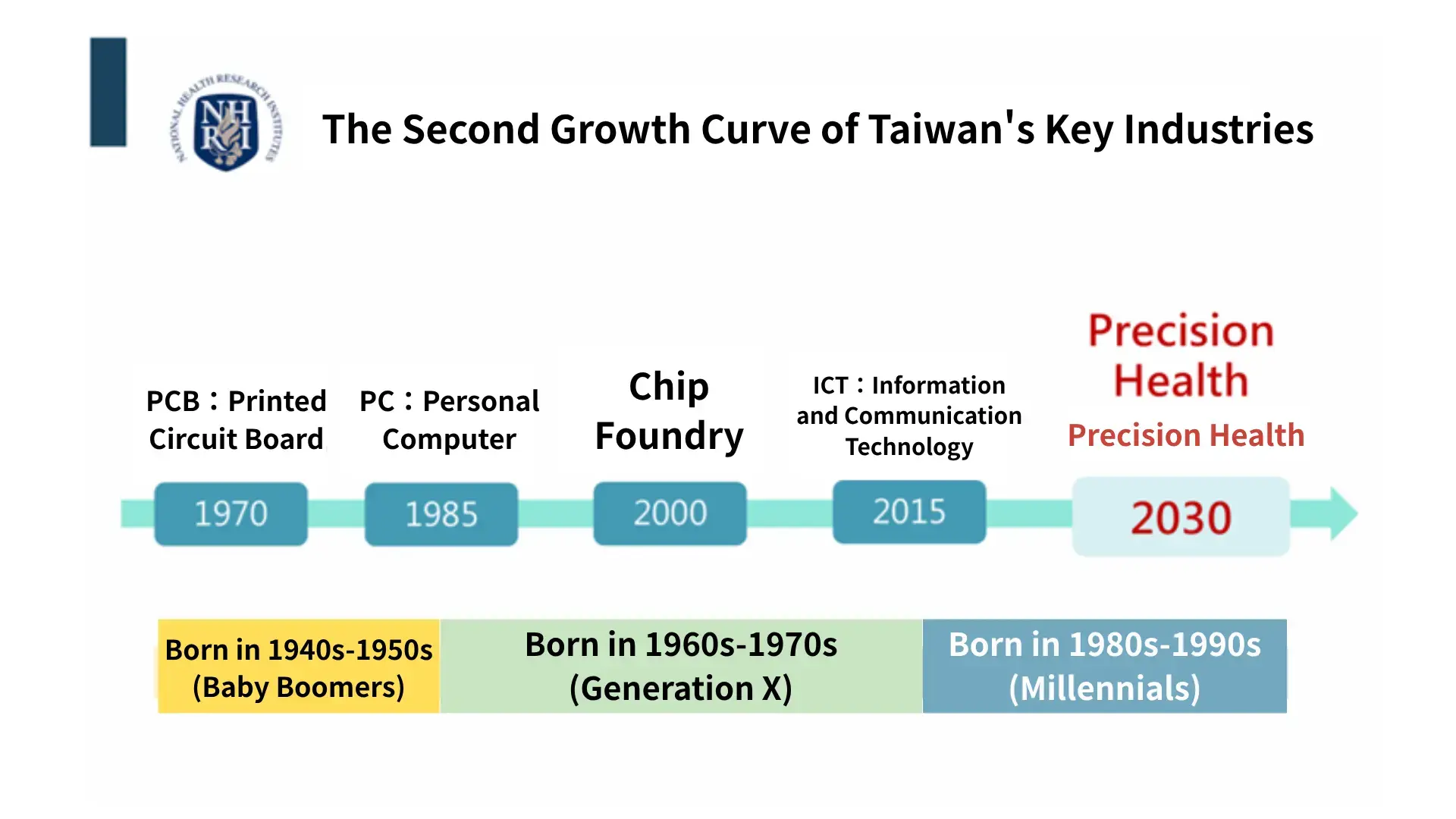
Dr. Tsai also believes that if Taiwan is to advance in precision medicine, the government's top priority must be building "data infrastructure," as data is the bedrock of all industrial and applied development. Precision health is a critical industry requiring full public-private collaboration, and it holds the promise of creating a second global growth curve for Taiwan following its monumental success in the electronics sector.
I wholeheartedly agree with Dr. Tsai's perspective. AI relies on computing power, algorithms, and data assets (算資). While most focus on computing power and algorithms, they often overlook the critical importance of data. Taiwan possesses an NHI system and decades of accumulated data that are the envy of the world, yet these assets remain underutilized. This underscores exactly why the "National Data Team" championed by Dr. Pan-Chyr Yang is so vital.
Letting the Private Sector Lead While the Government Builds the Infrastructure
However, unlocking this data while balancing privacy and cybersecurity presents an immense challenge. The public remains highly conservative regarding the use of personal data—a hurdle Dr. Chin-Chi Kuo explicitly noted CMUH is currently navigating.
Therefore, placing Dr. Pan-Chyr Yang at the helm of the Taiwan Health Network Platform Co. is a crucial step. By integrating anonymized NHI records, medical imaging, and genomic sequencing data, this platform can provide a wealth of resources to biotech companies, pharmaceutical firms, or AI R&D teams for clinical trials, drug discovery, or training AI diagnostic models.
This creates an opportunity to dismantle the "data silos" within Taiwan's healthcare system. Historically, major hospitals used disparate, unconnected medical record formats. Establishing a unified, international health data standard to align Taiwan's medical data with global norms is an essential undertaking.
Furthermore, leveraging this rich and comprehensive NHI database to attract international pharma giants like Pfizer and Novartis, as well as local drug developers, to conduct more early-stage research and clinical trials in Taiwan is the true foundational infrastructure needed for national biotech development.
Dr. Pan-Chyr Yang plays multiple pivotal roles across the biomedical supply chain, serving as Vice President of the Institute for Biotechnology and Medicine Industry (IBMI), a leader in the precision medicine development alliance, and Chairman of Diamond Biofund. Additionally, the shareholders of the Taiwan Health Network Platform Co. include tech titans like Wistron, Catcher Technology, and Delta Electronics, alongside several major life insurance companies. By uniting Taiwan's top-tier tech manufacturers and financial holdings, this entity can exert massive resource-integration power across policy, industry, and capital markets.
Finally, Dr. Hung-Kai Chen suggested that when it comes to developing the biotech industry, it might be best if the government "managed a little less." Industrial development should be driven by private enterprises, while the government's role should be facilitating the injection of more capital into the sector.
I strongly concur. The biotech and electronics industries are quite similar; industries and business opportunities are constantly shifting. This requires the agility of private enterprise; it is exceedingly difficult for a government to dictate where an industry should head.
In fact, reviewing Taiwan's electronics sector history, the government once heavily promoted the "Two Trillion and Twin Star" initiative [Note: a massive state-sponsored push in the early 2000s into the LCD and DRAM sectors], which resulted in clear strategic missteps in the face of global competition. In biomedicine, the government previously incentivized new drug development and is now emphasizing CDMOs, but the efficacy of such top-down policies remains a matter of debate.
However, the view that the government shouldn't intervene too heavily in industrial development does not mean it has no role to play. As mentioned regarding the national data issue, public authority is absolutely required—it is something the private sector simply cannot achieve on its own. The government's true role in the biomedical sphere is to focus its efforts on building various foundational infrastructures, particularly the regulatory infrastructure required as the industry evolves. The biotech industry relies on this regulatory bedrock even more heavily than the electronics industry ever did.
Related Articles
Micron Announces Its Largest Rewards Ever. Its Taiwan Union's Demands Expose a Clash of Pay Systems. A strike threat at Taiwan's largest foreign investor, read in three dimensions
TSMC's 3nm rinse comes exclusively from AEMC, a Taiwanese company once withdrawn from the Emerging Stock Board
Taiwan AI Industry Upgrade Forum Series || Event Report:America Wants More Manufacturing. What Does It Take for Taiwan’s Suppliers to Follow?