Korean regulation is the main reason memory stocks fell in late July
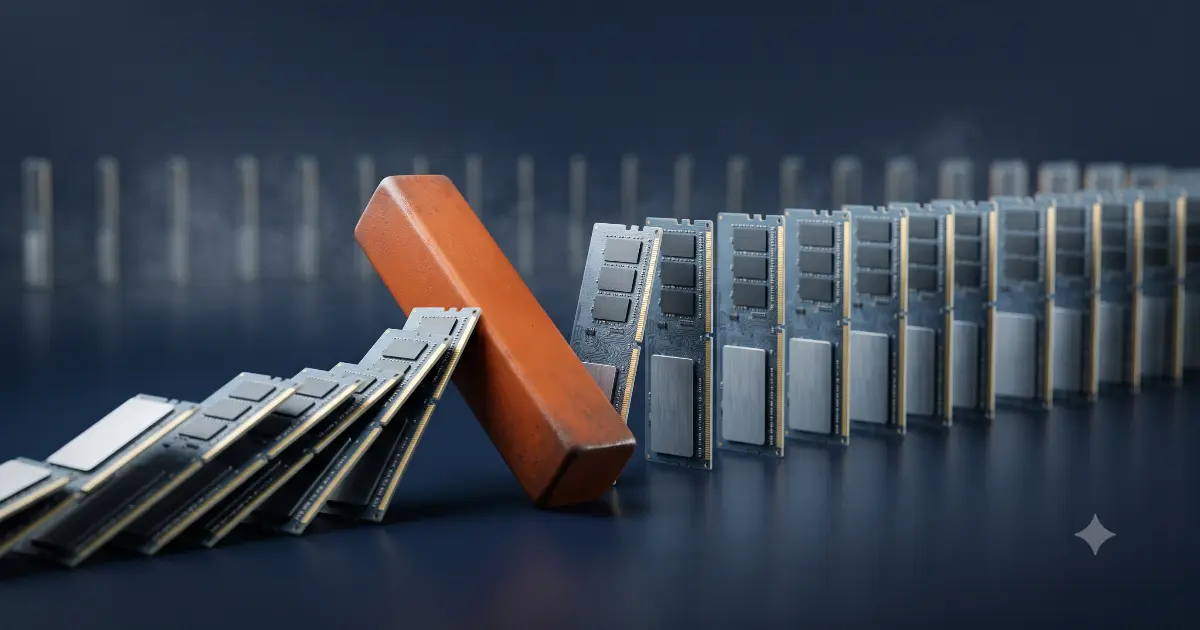
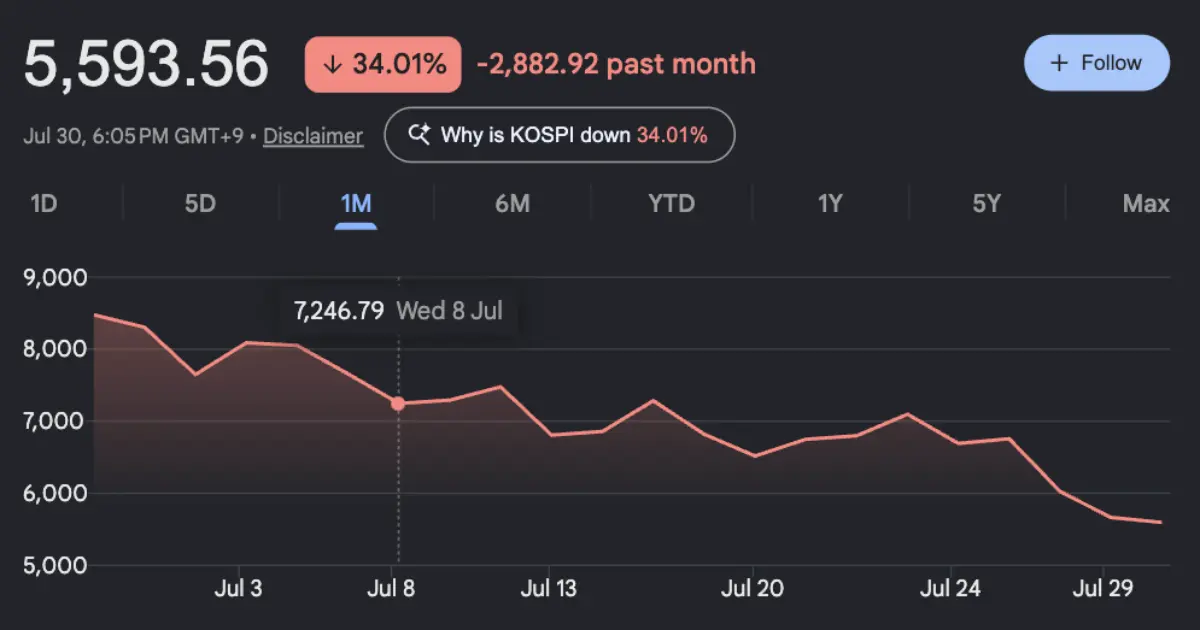
Memory stocks fell for days on end through the second half of July. Less than a month passed between Korea's top market regulator speaking publicly and the full package of rules landing: new listings of single-stock leveraged ETFs were suspended, and the initial deposit required of individual investors tripled from 10 million won to 30 million won. Samsung Electronics and SK Hynix are still on course to grow net profit three- to fivefold. What fell was the leverage, not the demand.(Market data and figures in this article are as of July 28, 2026; currency conversions use the same date.)
Where memory stocks go now has become the single most important variable in global equities. On July 27, Micron, SK Hynix and SanDisk fell between 4.9% and 9.5% in US trading; on July 28, memory names across Korea, Japan and Taiwan followed. What happens next to memory and to high-bandwidth memory (HBM) will shape where money goes.
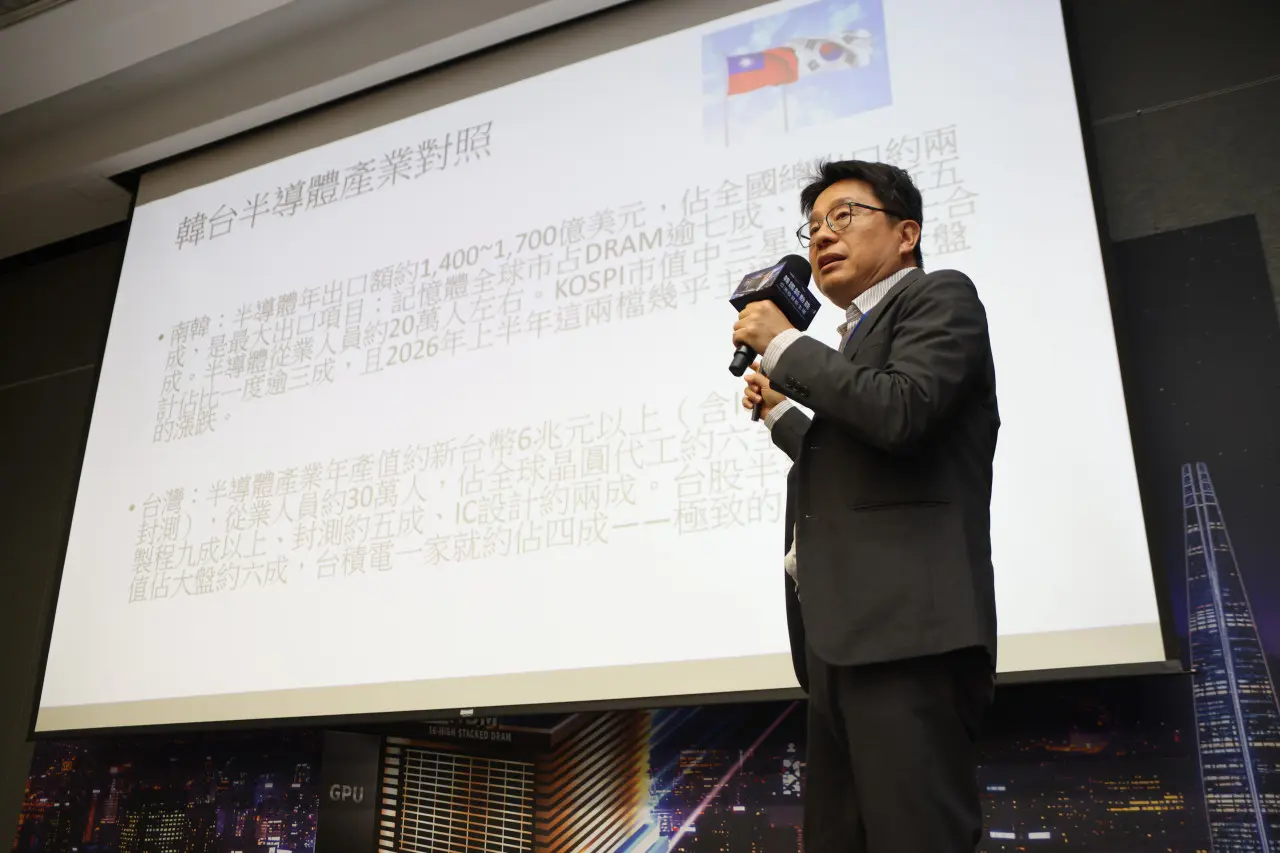
Start with where the industry stands. UOB Asset Management recently held an event in Singapore titled "Korea's New Momentum, Asia's New Investment Arena," where I was invited to speak on what the AI wave means for Korean technology. Alongside the outlook for HBM, I set out how I think memory stocks should be approached, and this is what I said.
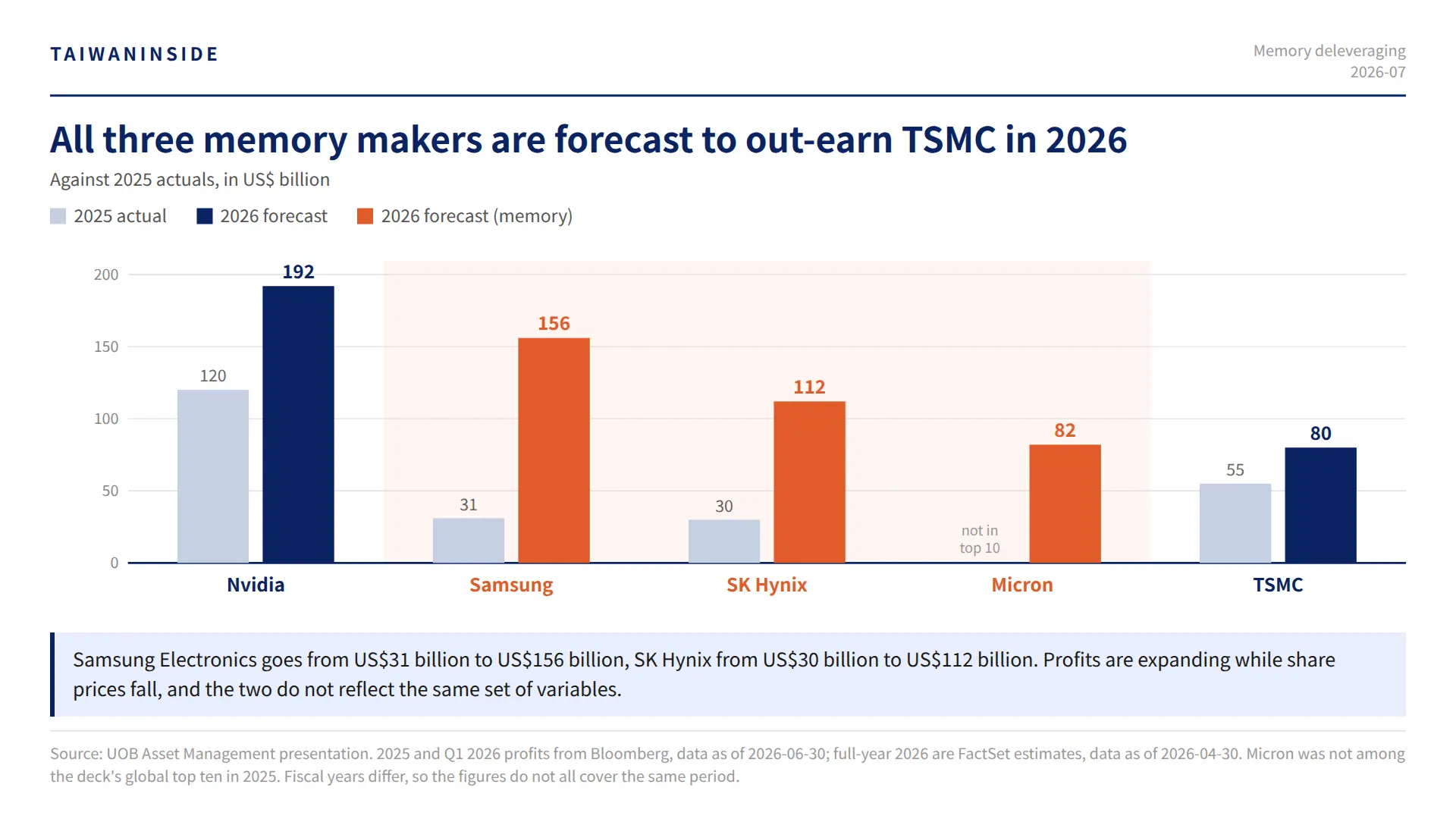
UOB Asset Management's forecast for the world's ten most profitable companies puts TSMC at US$80 billion in net profit for 2026. All three of the major memory makers come in above that: Micron at US$82 billion, SK Hynix at US$112 billion and Samsung Electronics at US$156 billion, four to five times their 2025 levels. The most profitable company of all is forecast to be Nvidia, at US$192 billion.
The presentation states its own basis. The 2025 and first-quarter 2026 profit figures come from Bloomberg, dated June 30, 2026; the full-year 2026 figures are FactSet estimates dated April 30, 2026. Against the 2025 actuals in the same deck, Samsung Electronics earned US$31 billion, SK Hynix US$30 billion and TSMC US$55 billion. The deck also notes that Micron's reported profit covers the first and second quarters of 2026. Fiscal years differ from company to company, so these figures do not all cover the same period.
That forecast sits close to what sell-side analysts are projecting. Memory is in severe shortage as spending on AI server compute continues, so profits are indeed set to rise sharply, and most houses expect a large increase in memory-maker earnings for 2026.
Rising profits are why memory stocks in the United States, Korea and Taiwan have climbed since 2025. But the rally ran too hot. Margin debt swelled, and Korea added 2x leveraged ETFs tracking Samsung Electronics and SK Hynix alone. With those instruments pouring fuel on the fire, prices rose violently and fell the same way.
The share prices of Korea's two memory giants can no longer be read off their earnings. What matters now is the posture of the Korean government. So what exactly did it do, to knock down two stocks whose profits are doubling?
Premium Members Only
This is a premium article. Please join our membership to read the full content.
Become a member to unlock all in-depth reports and exclusive analysis.
Already a member? Login Now
Related Articles
The arbitration damages of about NT$4 billion expose the real profit cushion of Taiwanese drugmaker PharmaEssentia
Same Market, Opposite Risk: Qualcomm's Data Center Revenue Is Still Zero, MediaTek's 2028 Chip Goes to Intel Packaging
Same Leverage, Opposite Outcomes: Korean Stocks Fell 40%, Taiwan’s Fell 17%, and the Difference Is Where the Borrowed Money Sat