A Must-See Tech Spectacle: Taiwan’s Semiconductor Exhibition Opens, Showcasing AI, Smart Cars, and Robots
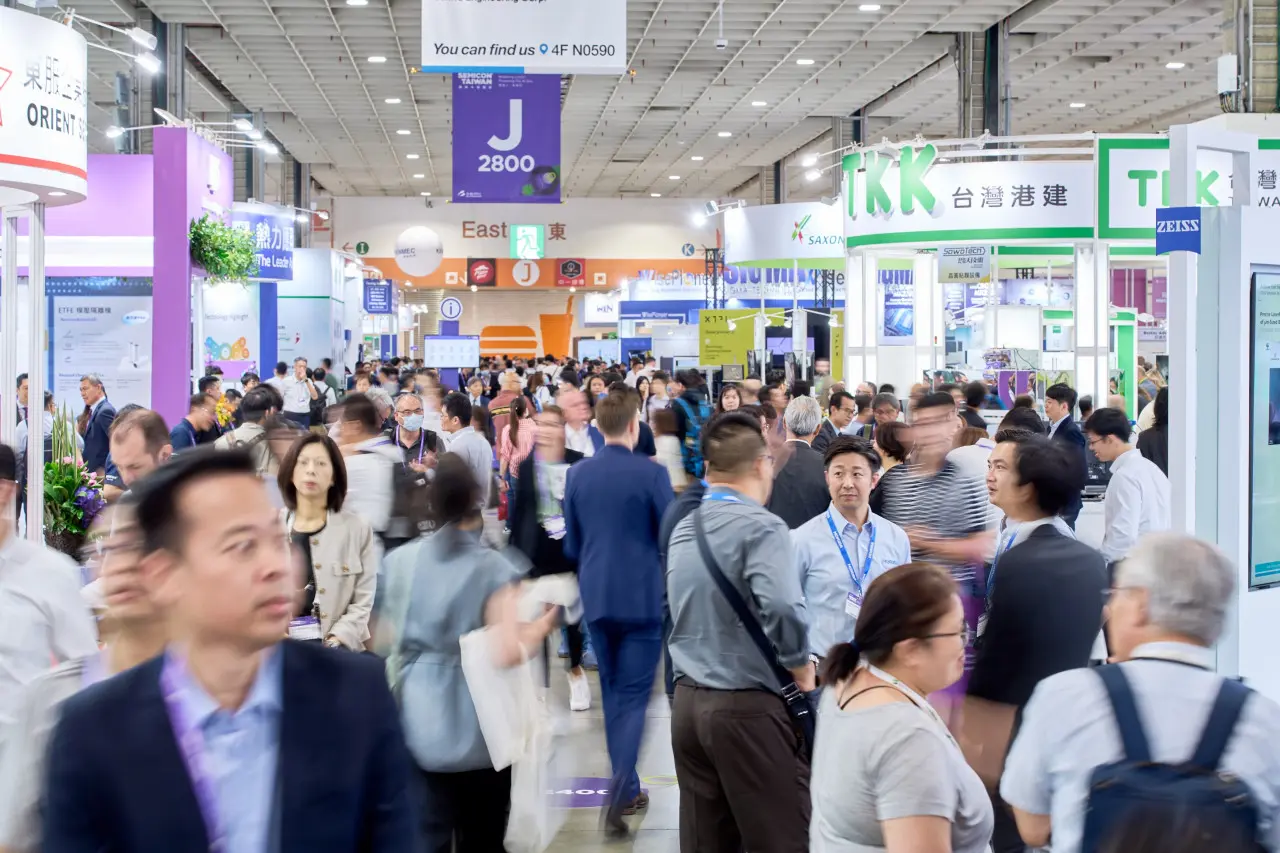
SEMICON Taiwan 2025, the island’s premier semiconductor exhibition, will take place in Taipei from September 8 to 12. Now in its 30th year, the event is set to break records in terms of the caliber of participants, scale, and discussion topics. More than 200 global CXOs and EVPs will gather, turning Taiwan into a focal point for the world’s tech industry and media spotlight.
Last year’s exhibition highlighted artificial intelligence (AI). This year, smart cars and robotics have been added as major themes, with CEOs from leading companies across the U.S., Europe, and Japan expected to attend. A “3D IC Advanced Packaging Industry Alliance” will also be launched during the event, led by TSMC and ASE, with more than 40 companies joining.
Traditionally a three-day event, SEMICON Taiwan has expanded its schedule this year. In addition to the main exhibition from September 10 to 12, a series of forums and side events will begin on September 8, effectively creating a “semiconductor week.”
Ahead of the exhibition, SEMI Taiwan President and Global Chief Marketing Officer Terry Tsao, who has been with SEMI for 19 years and has played a central role in promoting Taiwan’s semiconductor industry worldwide, shared his views in an exclusive interview.
Tsao described SEMICON Taiwan as the “Olympics of semiconductors” or a “World Expo of technology,” and discussed how Taiwan’s semiconductor sector is expanding global markets and navigating geopolitical challenges.
Global CEOs Take the Stage: A World Expo for Technology
Q: SEMICON Taiwan has been held since 1996 and is now in its 30th year. What are the highlights this time?
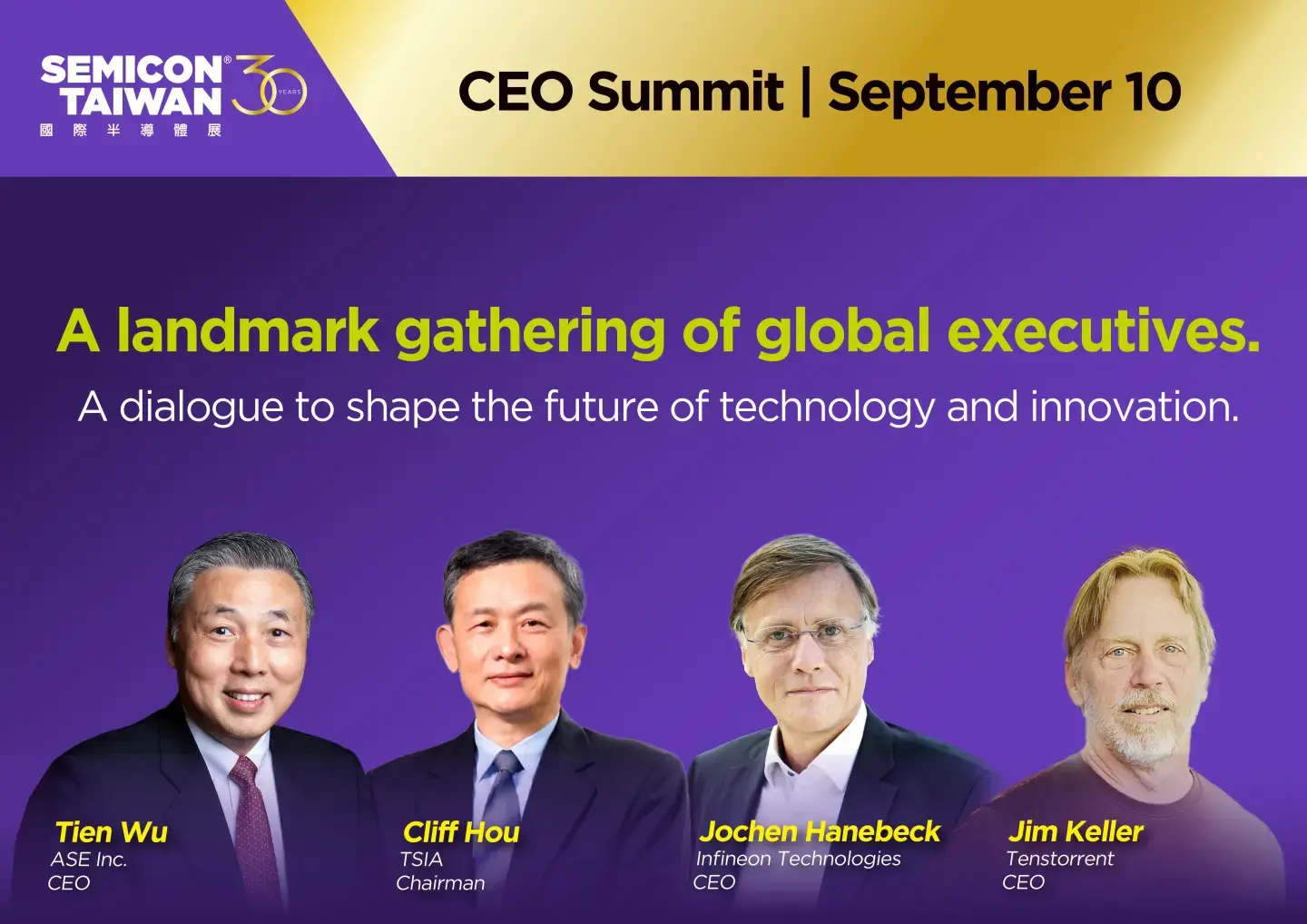
A:I often use this analogy: the Olympics were held in France last July, but the “Olympics of semiconductors” take place every September in Taiwan. Last year, senior executives from Samsung Electronics and SK Hynix shared the stage in Taiwan for the first time. This year, Micron will join them, bringing together all three of the world’s leading memory makers.
While AI was the central theme last year, this year’s scope has expanded to smart cars and robotics. Automotive leaders such as Bosch, Infineon, NXP, and Denso will send their CEOs and EVPs. In robotics and smart manufacturing, Hiroshi Ishiguro, often called the “father of Japanese robotics,” will showcase his humanoid robot.
Other notable attendees include the CEO of Belgium’s research institute iMec, the author of The Lithography Master on ASML of the Netherlands, the Japanese author of Geopolitics of Semiconductors, and experts from the RAND Corporation in Washington, D.C.
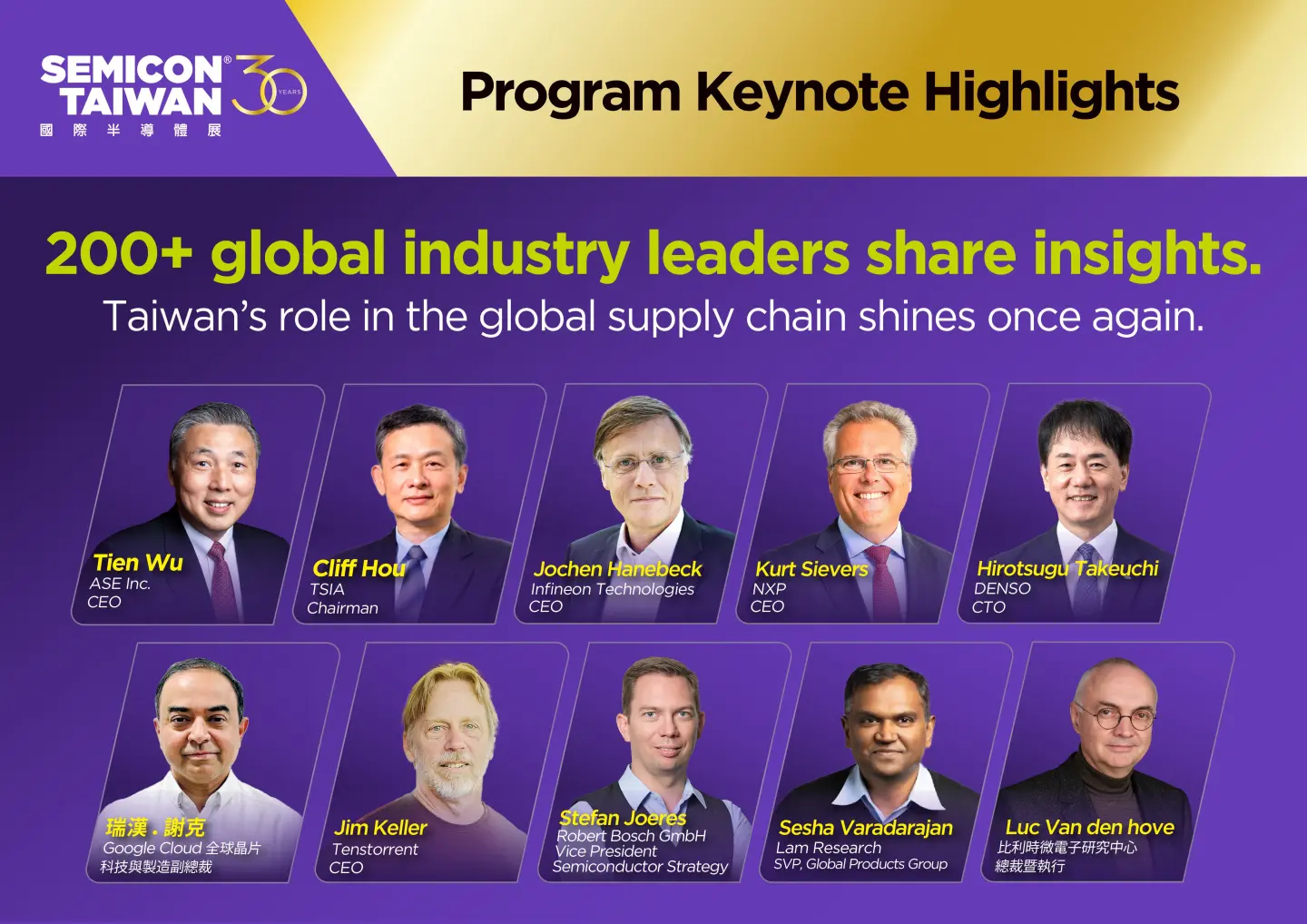
During the show, the “3D IC Advanced Packaging Industry Alliance” will officially launch, led by TSMC and ASE, with more than 40 companies joining. SEMICON Taiwan 2025 has become the World Expo of technology, drawing industry leaders and global media attention to Taiwan.
The exhibition is no longer just about displays. It has evolved into a global platform for technical discussions, business matchmaking, government think tanks, and strategic dialogue on geopolitics.
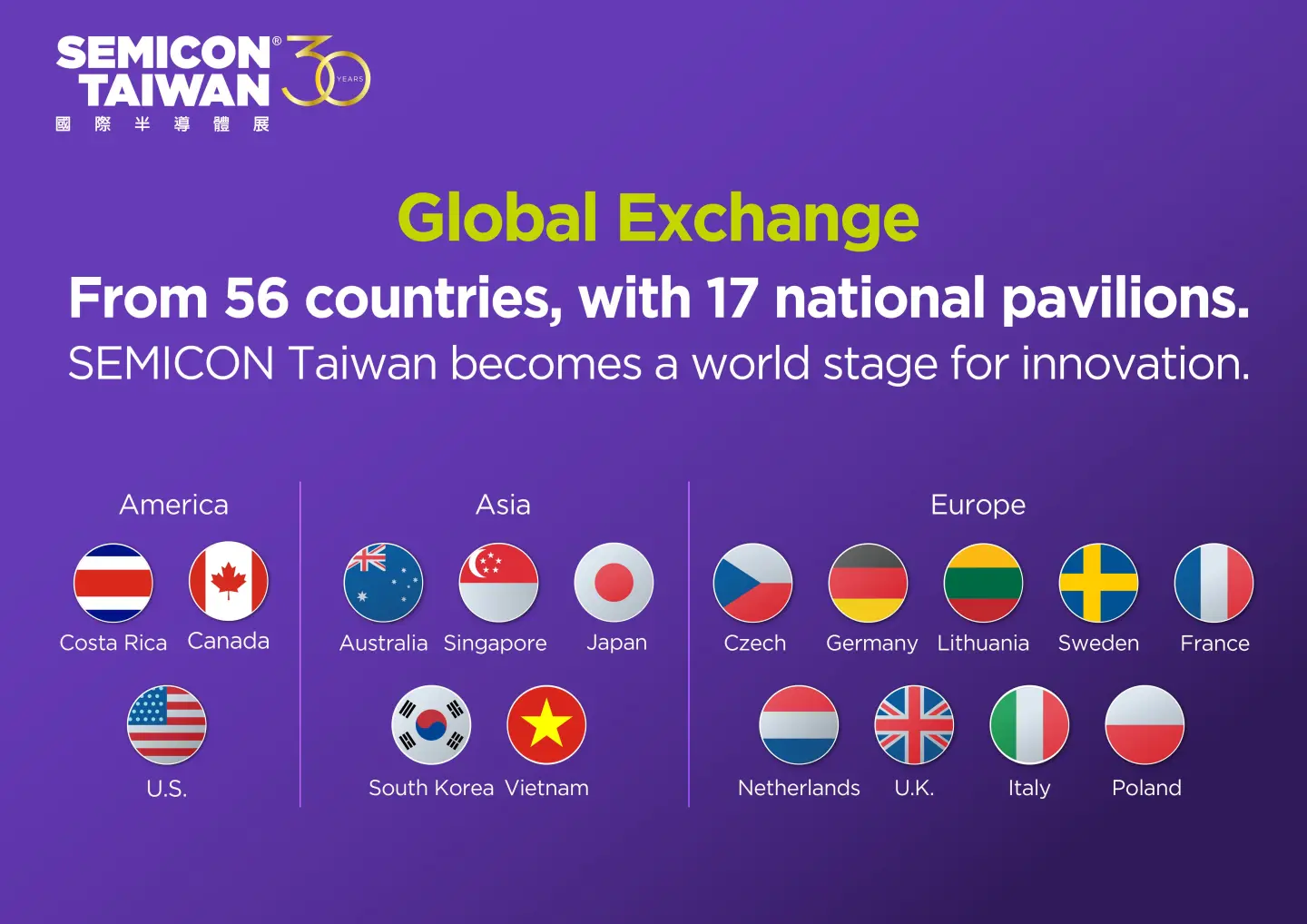
Participation has also expanded significantly, with delegations from 56 countries and 17 national pavilions. Beyond the U.S., Europe, Japan, and South Korea, delegations from Latin America and Africa are also attending. Costa Rica will host a national pavilion, while France is bringing African partners. The event has become a stage where technology meets international politics.
Taiwan’s Growing Voice Through Technological Leadership
Q: SEMI has been around for 55 years, and you are its first Asian global CMO. When you were appointed, SEMI CEO Ajit Monacha said he wanted you to bring Taiwan’s success to the world. How have you carried out this mission?
A: Ajit tasked me with replicating Taiwan’s success story on the global stage, leveraging SEMI’s international network to highlight Taiwan. This has become even more crucial as geopolitics shift and supply chains are restructured, ensuring Taiwan maintains its leadership position.
During the pandemic, governments and corporations around the world turned to Taiwan for chips. We worked hard to communicate Taiwan’s efforts to the global community, helping ease shortages and demonstrating the industry’s critical contributions.
Within SEMI, we shared Taiwan’s development experience with regions such as Southeast Asia and India. Externally, we brought more international stakeholders to Taiwan, giving the island greater opportunities to speak directly to the world.
No matter how geopolitics evolve, semiconductors remain an industry built on international collaboration. Taiwan has the ability to play an increasingly proactive and critical role.
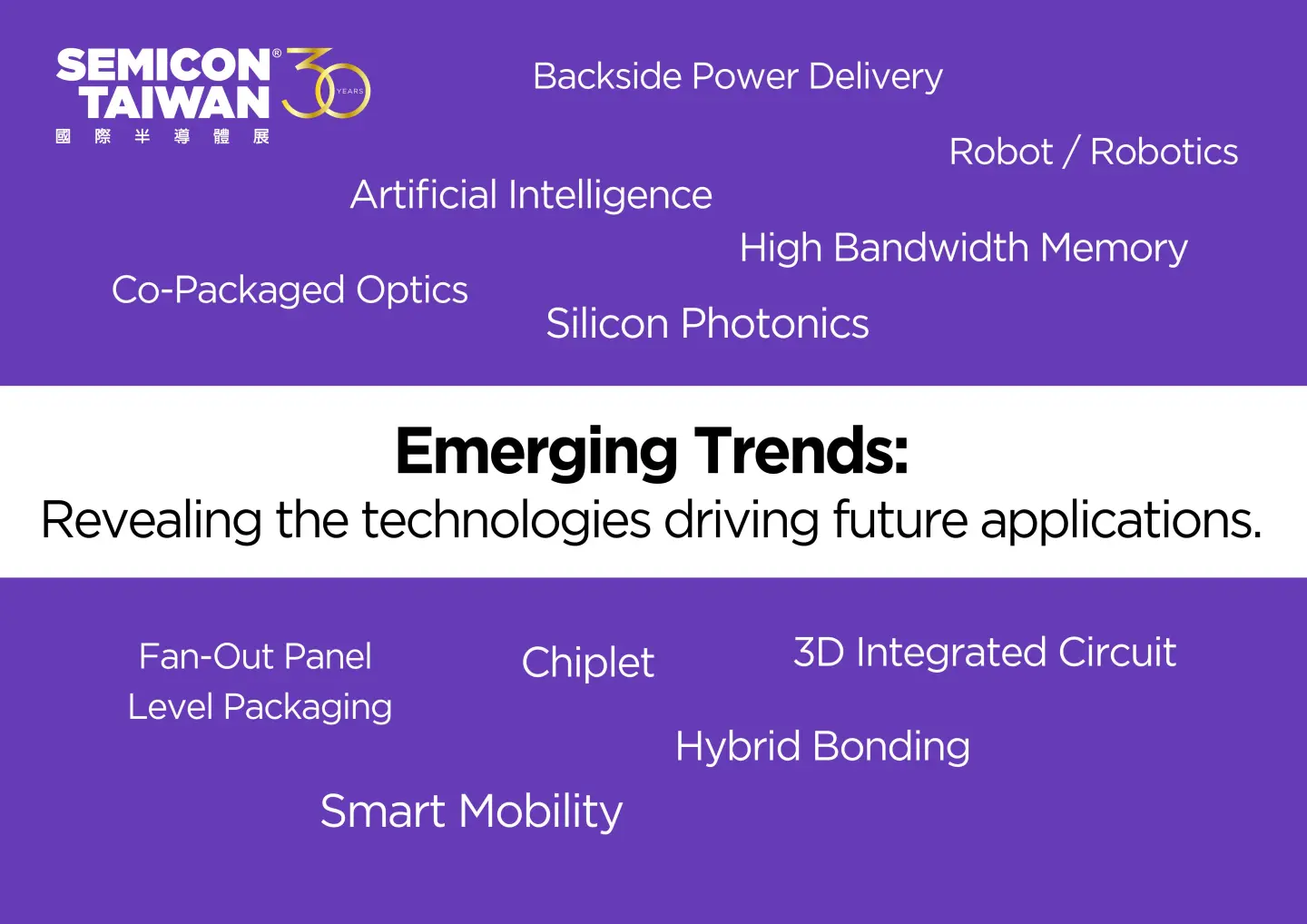
Today, “Taiwan” and “semiconductors” are virtually synonymous. Taiwan leads in advanced technologies such as CoWoS, 3D IC, FOPLP, silicon photonics, and backside power delivery, securing a strong voice in the global industry.
The foundation of Taiwan’s competitiveness lies in its talent. Engineers in Taiwan are responsible, efficient, service-oriented, and highly reliable. Their ethos of working for “mutual success” with customers is a value we aim to convey to the international community.
Tariffs as a Tool: Taiwan Must Stay Ahead
Q: SEMICON India was held one week before Taiwan’s event. How do you view India’s semiconductor industry?
A:That’s right. My schedule has been packed—I’m flying to India right after this interview. SEMICON India debuted last year with 650 booths. This year, the number has nearly doubled to 1,200—a remarkable pace of growth.
India today resembles China in its early years of semiconductor development. SEMICON has operated in Southeast Asia for two to three decades, reaching just over 1,000 booths. India has nearly matched that scale in just two years.
The Indian government is strongly supportive, and major conglomerates like Tata are investing heavily. They are also bringing back Indian talent who had worked at major U.S. corporations. This dynamic is reminiscent of Taiwan’s own past. With a large population and active government and corporate support, India is attracting equipment and materials suppliers from around the world.
Q: Former U.S. President Donald Trump said Taiwan is “stealing American jobs.” How do you respond to that when speaking with international partners?
A:From the industry’s perspective, reciprocal tariffs are simply a policy tool. Behind them lie America’s goals of economic security, reshoring manufacturing, creating jobs, and ensuring leadership in next-generation AI.
Taiwan is not alone. Japan, South Korea, and European nations are also dealing with reciprocal tariffs and Section 232 measures. Taiwan is not a special case.
What matters is how Taiwan responds to these changes while staying ahead. In the ongoing restructuring of supply chains, Taiwan must avoid losing ground to competitors and steer the industry toward stronger growth.
Q: This year’s SEMICON Taiwan theme is “With the World, Innovation Sets Sail.” Why was this chosen?
A: Taiwan already leads in many semiconductor technologies and has become a hub for global innovation. That’s why we chose the theme “With the World, Innovation Sets Sail.”
Achieving this requires diversity. And diversity isn’t just about hiring more women—it means recruiting international talent from different races, cultures, and languages. For Taiwanese companies, this is an urgent need.
Sales and manufacturing talent are inherently different. Historically, Taiwan focused on manufacturing, producing the world’s best technology and products. But now, with major semiconductor investments in the U.S., Europe, and Japan, Taiwan has entered a “new age of exploration.” With increased opportunities for global engagement, Taiwan must cherish its position and take the next big step forward.
Beyond Hard Work: Expanding Policy Influence
Q: What shortcomings do Taiwanese companies still need to address?
A:Taiwanese firms are becoming increasingly important on the world stage. But historically, they focused on execution and rarely engaged in public affairs or with policymakers. Now, this need is becoming urgent.
For example, Taiwanese companies traditionally set up R&D or sales offices overseas, but almost none established offices in Washington, D.C. Previously, there was little need to interact directly with governments or legislators. But this is changing. TSMC, MediaTek, and Foxconn now all have offices in Washington.
Taiwan’s influence on international policy is still in its early stages. By comparison, Samsung has hired a former U.S. ambassador to South Korea to lead public policy lobbying. TSMC has brought on Intel’s former vice president for legal and policy affairs. Taiwanese companies are beginning to build similar capabilities.
Businesses must engage with diverse stakeholders—not just shareholders, but also governments and local communities.
One of Taiwan’s weaknesses has been the lack of “narrative capacity,” especially in policy advocacy and influence. Going forward, Taiwanese companies need to move beyond data collection and actively shape policies. A single new regulation can have enormous impact, and even companies with excellent products and technologies can find themselves disadvantaged overnight.
In the past, during globalization, ICT products were largely tariff-free, so such engagement seemed unnecessary. But the landscape has changed. Taiwan must now integrate international operations management, talent strategy, policy dialogue, and lobbying into corporate development. And this is not just about the U.S.—it requires cooperation with many countries.
Taiwan’s semiconductor industry is one of the most vital in the world. Building a complete semiconductor supply chain is a long-term and critical task. Some have raised concerns about “Dutch Disease,” but TSMC’s efforts to strengthen domestic supply chains are, in fact, driving industrial upgrading.
(Editor’s note:“Dutch Disease” refers to a phenomenon first observed in the Netherlands in the 1970s, where reliance on a booming single industry drove up the currency’s value, eroding the competitiveness of other sectors and distorting the economy. While some in Taiwan worry about overdependence on semiconductors, others argue the industry has instead spurred upgrading in chemicals, materials, and equipment, promoting diversification rather than concentration.)
Semiconductors are also elevating Taiwan’s traditional industries. Chemical companies have shifted into electronic-grade materials and specialty chemicals. Equipment firms like YMC (Yang Chi) have moved from cleanrooms for food production to semiconductor cleanrooms. China Sand developed diamond cutting blades, while Gudeng produces wafer carriers. These are examples of traditional “blue-collar” industries evolving into advanced semiconductor suppliers. The semiconductor boom is expected to spark new miracles across Taiwan’s industrial base.
Related Articles
Micron Announces Its Largest Rewards Ever. Its Taiwan Union's Demands Expose a Clash of Pay Systems. A strike threat at Taiwan's largest foreign investor, read in three dimensions
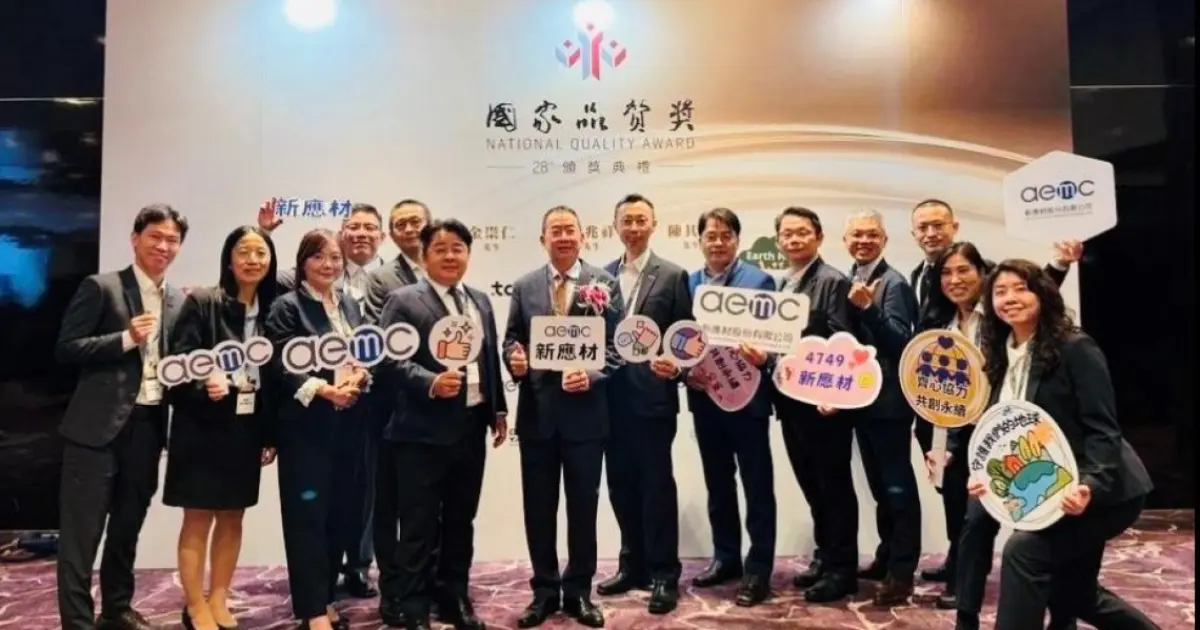
TSMC's 3nm rinse comes exclusively from AEMC, a Taiwanese company once withdrawn from the Emerging Stock Board
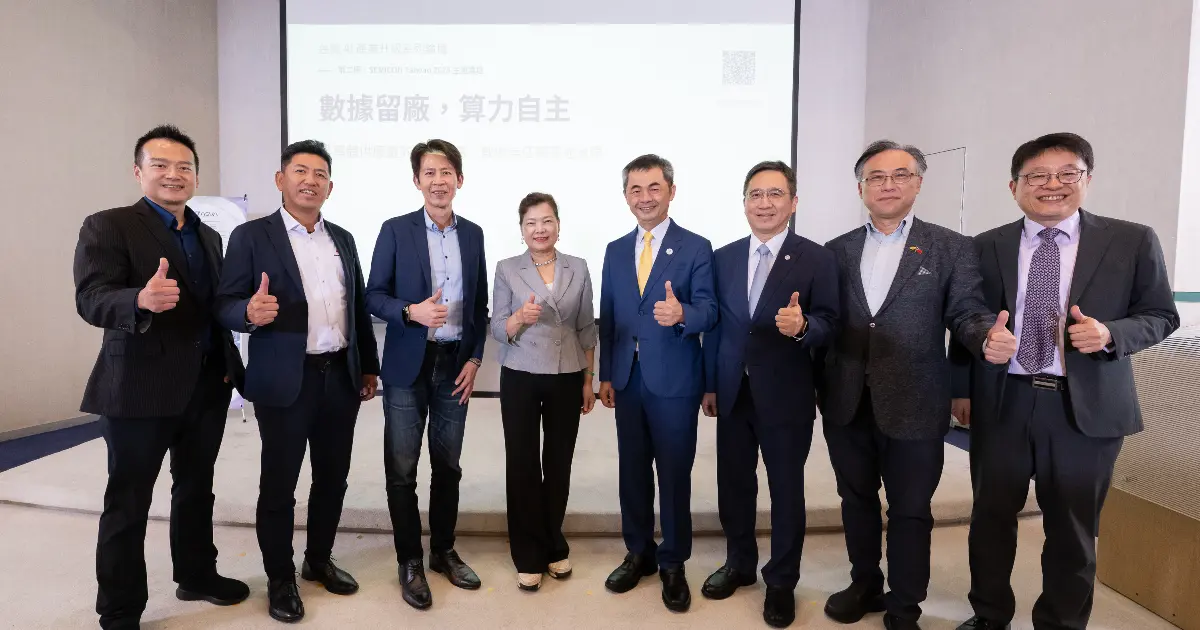
Taiwan AI Industry Upgrade Forum Series || Event Report:America Wants More Manufacturing. What Does It Take for Taiwan’s Suppliers to Follow?